
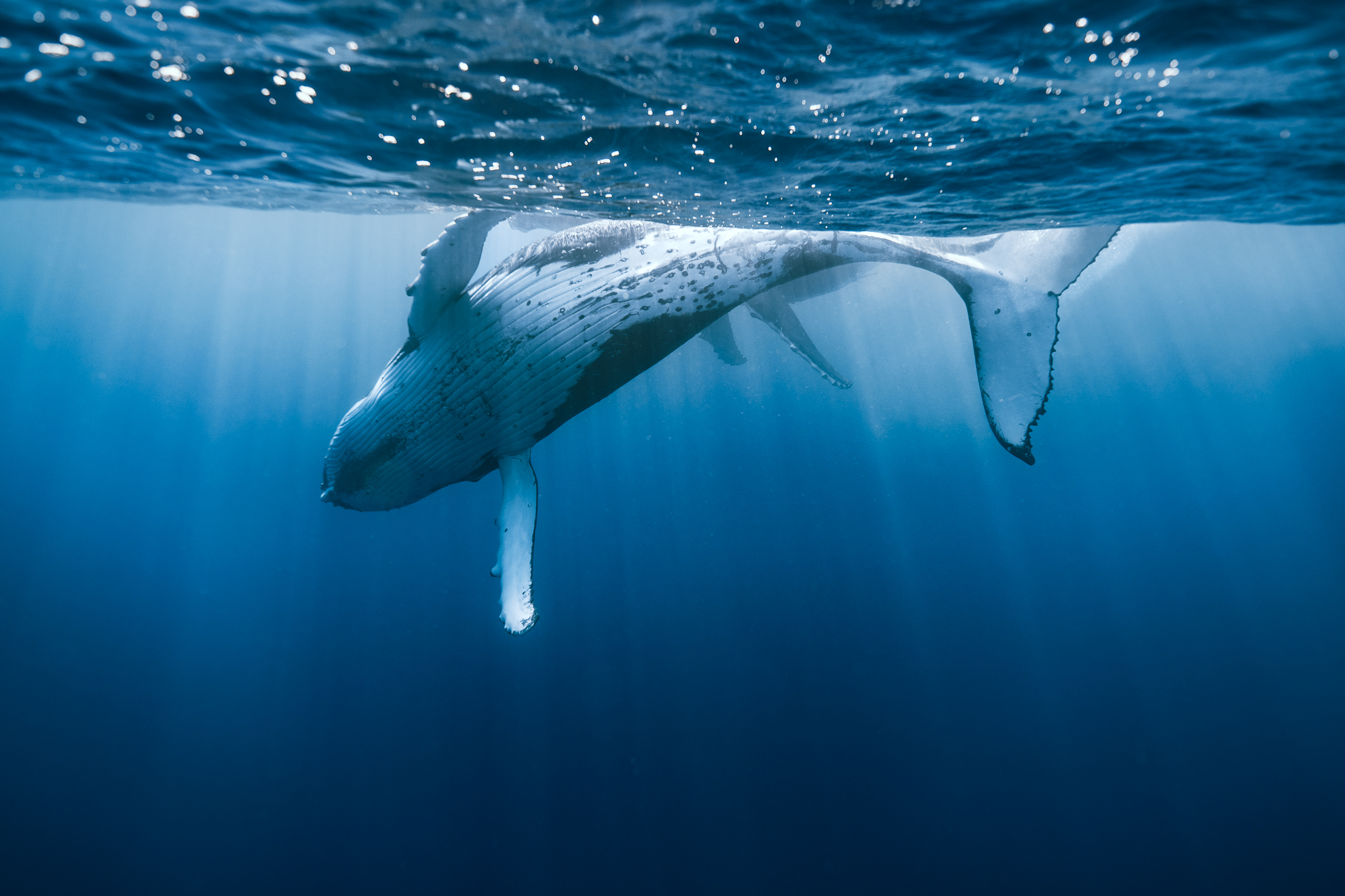
The Oahu whale watching season runs December through April. Your best chance of seeing whales is generally during the January-through-March peak season. What trips people up is everything after the calendar. Timing, boat choice, the small decisions. Those decide whether you get a story worth telling, or just a quiet boat ride.
We have run boats out of Waikiki for years now. Most guests who miss whales aren’t unlucky. They just didn’t know a few things ahead of time.
Oahu Whale Watching Season at a Glance
| Month | What to Expect |
| November | Season begins |
| December | More whales arrive |
| January | Peak season begins |
| February | Peak season |
| March | Peak season |
| April | Sightings continue, then taper |
NOAA’s Hawaiian Islands Humpback Whale National Marine Sanctuary marks the wider window as November through April. January through March is the sweet spot. That aligns with what we see every year on the water.
Why Do Whales Even Bother Coming Here?
It is a strange trip when you think about it. Humpbacks swim thousands of miles from cold Alaskan water. They do little feeding in Hawaii, relying largely on energy stored during their time in northern feeding grounds. The reason comes down to their calves. A newborn has almost no blubber yet. Hawaii provides warm, shallow waters where humpbacks can mate, give birth, and nurse their calves. The whales then return north to feeding grounds.
What You’re Actually Watching Happen
A whale breaking the surface isn’t random. Once you know the behavior, the trip gets more interesting.
- Breaching: Breaching sends much of the whale’s body out of the water. Scientists have proposed several possible reasons, including communication and social behavior
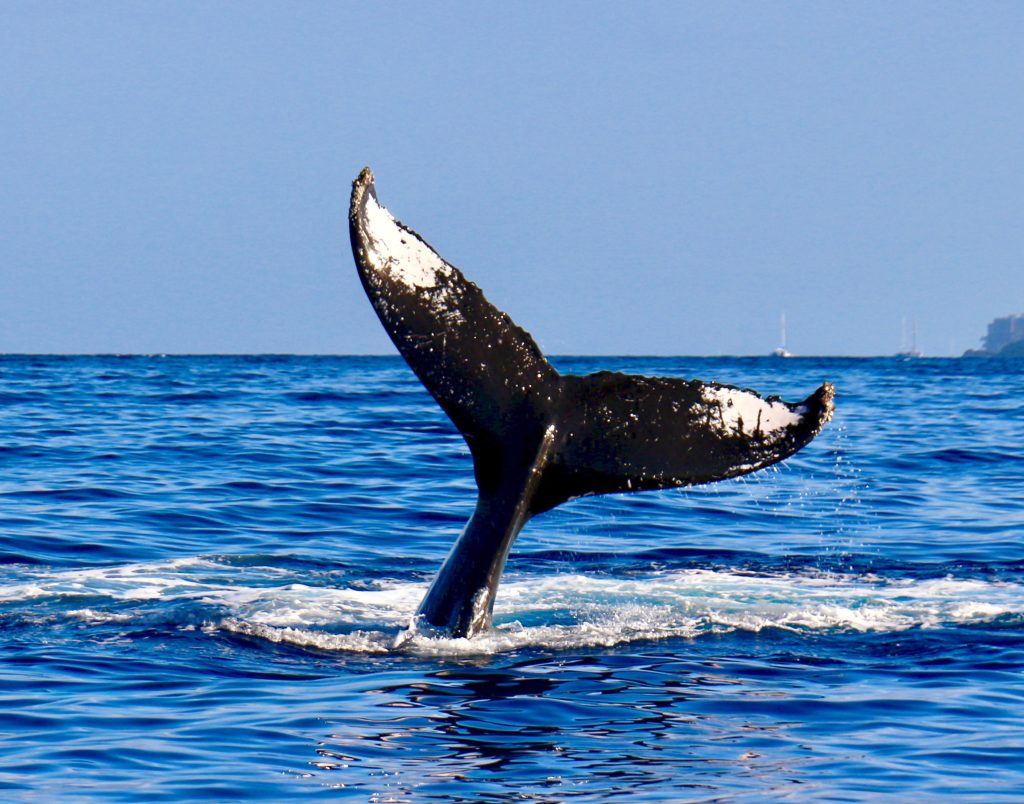
- Tail slapping: A whale slaps its tail against the surface, creating a surprisingly loud impact. The behavior may serve several social or communicative purposes
- Spy-hopping: Spy-hopping happens when a whale rises vertically with its head above the surface, giving observers a rare look at its face.
Timing Beats Luck
Two decisions matter more than anything else here. Pick your window carefully first. December and April still count as seasons. But January through March is where the real action happens. Don’t build your trip around sunrise either. Whales tend to show more activity midday into the evening. That surprises a lot of first-timers. Book your trip early too. January through March also overlaps with a busy period for Oahu tourism, so popular departures can fill quickly.
Private or Shared? It Depends on What You Want
Shared tours are a solid, budget-friendly option. You are still out on the same water everyone else is chasing whales on. There is nothing wrong with that choice. But if you want control over timing and pace, a private charter starts making more sense.
Our Private Boat Charters in Waikiki, Oahu let you pick your own departure time. You can stretch the trip to four hours. Bring your own food and drinks too. No sharing the rail with strangers. No waiting on someone else’s schedule. It also works for different group sizes, from six guests on our smaller catamaran to larger groups on the 45-passenger boat.
Is it worth the extra money? If flexibility matters to you, probably yes. If you are traveling solo or watching your budget, a shared tour still works fine.
A Few Shore Spots Worth Knowing
You don’t need a boat ticket to catch a whale. For land-based viewing, elevated coastal lookouts such as Diamond Head and Makapuʻu can offer seasonal opportunities, especially during peak whale months.
Whale Watching the Right Way
Federal law keeps boats at least 100 yards from humpback whales. A good captain never chases or circles them. That distance isn’t just red tape. It reduces the chance of disrupting whales while they breed, give birth, and nurse their young. It’s also an easy way to spot a responsible operator.
So, what matters more for your trip? Chasing the highest odds during peak weeks, or building a day around your own pace? Either way, the whales are already halfway here.
FAQs About the Best Oahu Whale Watching Season
- Is February really the peak month?
February is typically one of the strongest months, but January through March are all considered peak seasons. - Can you see whales from Waikiki Beach?
Occasionally, on a very clear day. Sightings from the beach are fairly rare though. Whales can sometimes be seen from Waikiki and other Oahu viewpoints, especially during peak season. Elevated lookouts generally offer a better vantage point. A boat or hillside lookout gives you a better view. - Do I need a private charter, or is a shared tour enough?
Most people are fine on a shared tour. A Private Boat Charter in Waikiki makes more sense for extra flexibility. It also works well for smaller groups. - Are sightings ever guaranteed?
No. Whale sightings involve wild animals, so no responsible operator can guarantee one. Whales go where they want. Timing your trip during peak season just improves your odds.
