
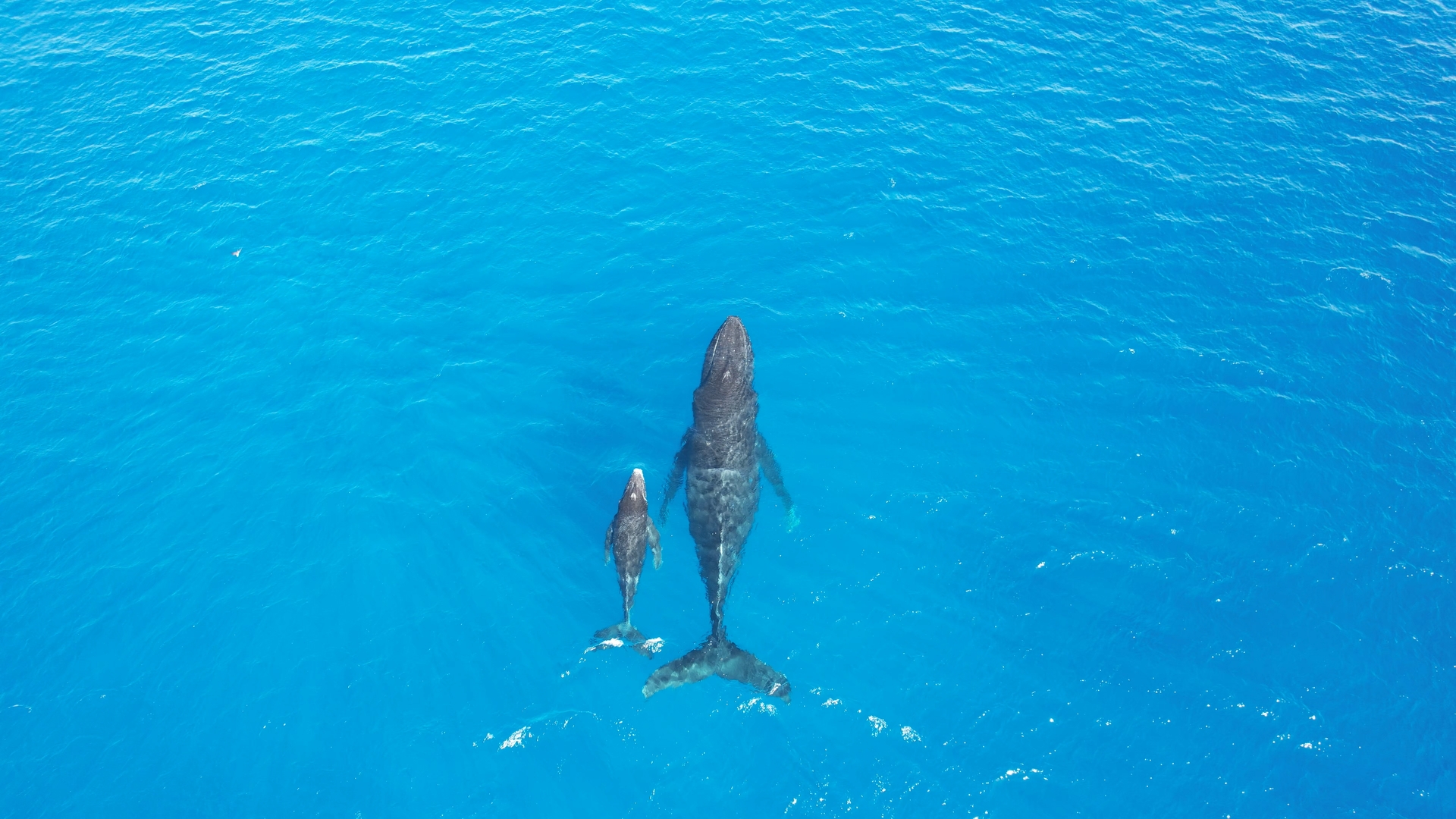
Whale migration Hawaii season runs from December through April. Peak sightings land between January and March. North Pacific humpback whales finish a journey of roughly 3,000 miles from Alaska, and that’s the short version. Here is when to go, where to look, and how the whole thing works.
Why Do Whales Migrate to Hawaii?
Humpback whales spend summers feeding off Alaska. The water there is cold, but full of food. Once fall hits, that food gets scarce. So the whales head south. Hawaii offers warm, calm, waters with far fewer natural predators. That combination is close to ideal for mating and giving birth. Newborn calves need those first weeks to be safe.
Here is something that surprises most visitors. The whales barely eat while they are here. They run on fat stored up all summer. Nearly every bit of that energy goes toward raising a calf. There is a good backstory behind these animals too. Humpback whale populations have recovered significantly since commercial whaling ended. That is not a small detail. It’s part of why longtime boat crews still get excited every season, even after hundreds of trips.
Humpback Whale Migration Hawaii: Month by Month
Whales start trickling in by December. Sightings are less consistent early in the season. Numbers climb fast through January. That is also when whale watching tours around Honolulu ramp up. February is the real peak. February is widely considered the peak month for whale watching. March still delivers strong odds. By April, most whales head back north, and the season winds down quietly.
Booking a boat during peak season is one option. Trying your luck from shore is the other. It really comes down to what you want out of the day. A boat gets you closer to the areas where whales are commonly seen. Shore viewing works too, but it leans more on timing and luck.
What You’ll See Out There
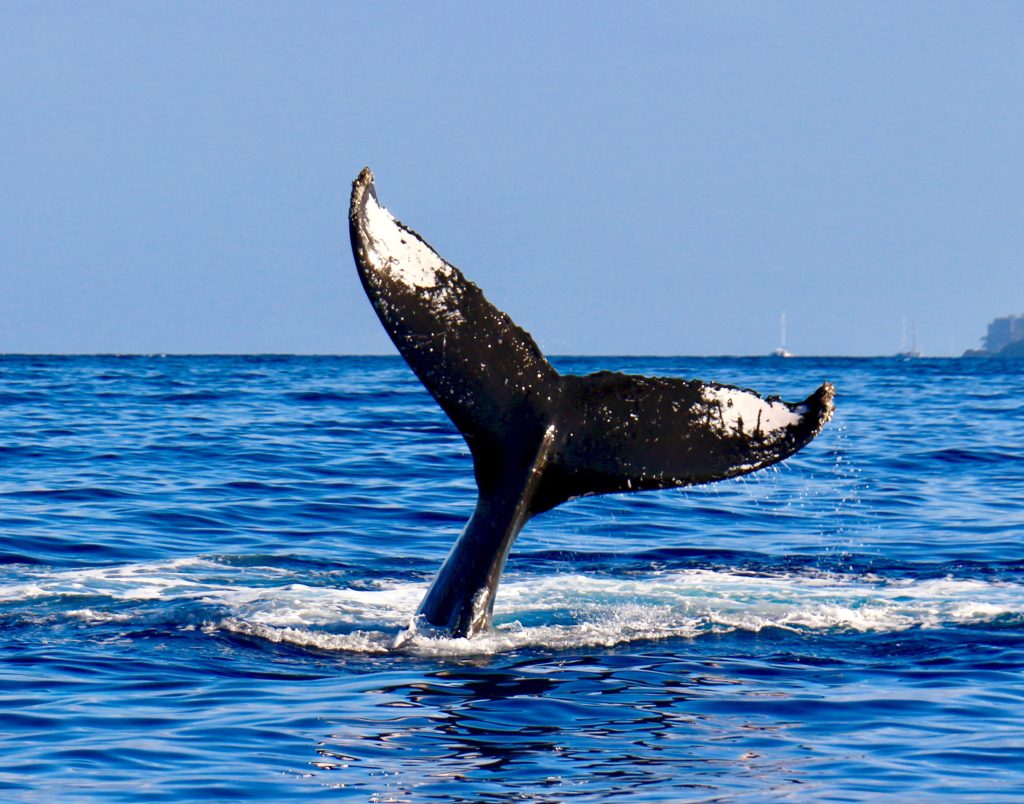
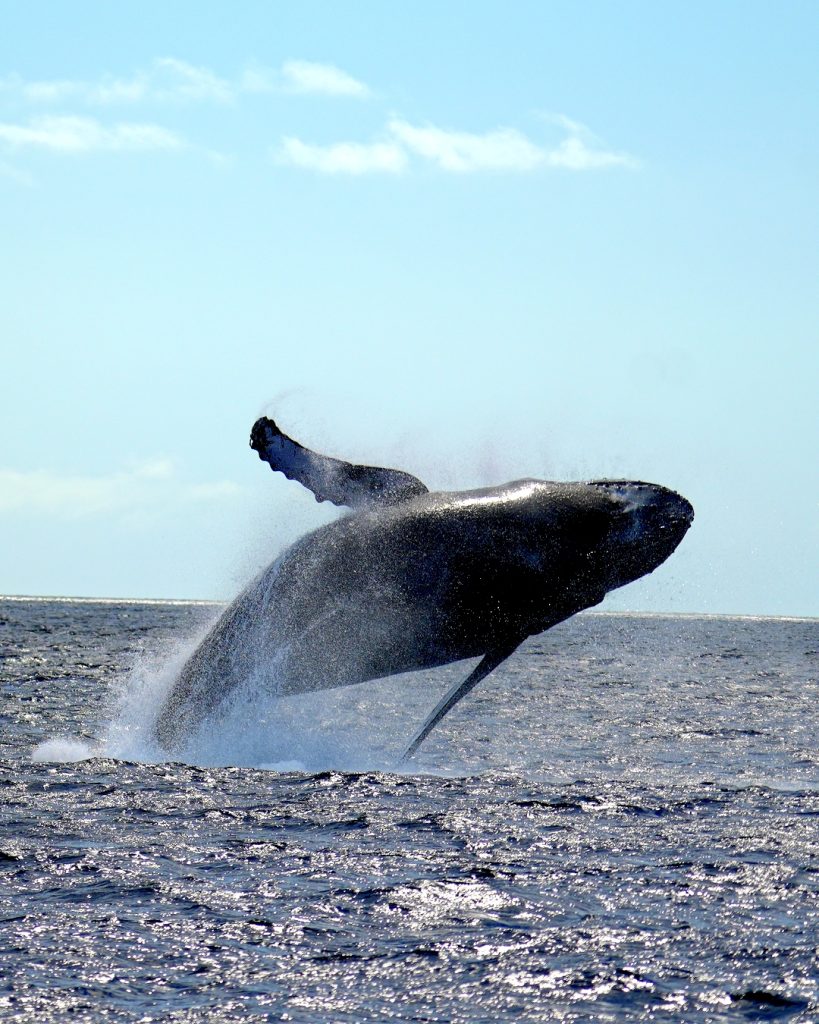
Whale watching isn’t just spotting a fin far off. If the timing’s right, you will see real behavior. Breaching happens when a whale launches most of its body out of the water. Tail slapping is a loud smack of the fluke against the surface. Spy hopping is when a whale pokes its head straight up to look around. Singing is the long, layered call male humpbacks send out underwater. Seeing even one of these behaviours from a respectful distance is something most visitors remember long after their trip. People bring it up again months later, usually unprompted.
Where to Whale Watch Around Oahu
A boat isn’t strictly required to catch a glimpse. It helps a lot, though. Solid shore spots near Waikiki and Honolulu include the Diamond Head lookout and China Walls. A boat isn’t strictly required to catch a glimpse. Diamond Head offers one of the better shore viewpoints near Waikiki. For a much closer look, though, a whale watching tour puts you out where whales are actively travelling.
For a closer look, book a whale watching tour in Honolulu. It puts you right in the whales’ path. You’re not just hoping one swims close to shore. Boats can safely reposition when whales are spotted nearby and reposition mid-trip. No fixed lookout point can offer that.
Private Boats or Shared Tours?
Traveling with a small group changes the math a bit. A private option lets everyone set their own pace. There’s no rushing and no waiting for strangers to load up. Shared tours cost less, but still put you in the same whale-rich water, just with other passengers along. Either way, a whale watching tour in Honolulu during peak season gives you good odds. That gives you an excellent opportunity to observe whale behaviour.
Big family group headed out together? A private charter keeps everyone in one boat. Tight on time or budget? A shared tour covers the exact same waters, for less. Visiting sometime in February? February offers some of the strongest viewing opportunities of the season, since that’s when activity peaks anyway.
This migration isn’t some rare stroke of luck. The whale migration Hawaii sees happens every winter, right off a coastline you’re already planning to visit. The migration returns every winter, making it one of Hawaii’s most reliable seasonal wildlife experiences. Sand or boat deck, that’s really the only decision left.
FAQs
A lot of people wonder if sightings are guaranteed. Because whales are wild animals, sightings can never be guaranteed. A good crew can guarantee something else, though. They’ll put you in the right water, at the right time of year. That’s most of the battle.
- Do you need a guide, or can you figure it out yourself?
A guide helps more than most people assume going in. Crews track which channels whales are using that particular week. Patterns shift slightly from year to year, so local knowledge matters. - How close can boats legally get?
At least 100 yards, by federal rule. That distance protects the whales. It also keeps the experience calmer for everyone on the water. - Can you see whales from the beach at all?
Sometimes, yes, though it comes down to elevation and a bit of luck. Diamond Head and similar lookout spots give you the best odds without a boat. - What should you actually pack?
Sunscreen and a light jacket cover most of it. Bring binoculars too, if shore viewing is part of the plan. It’s worth browsing the whale watching tour in Honolulu options early. Peak-season slots fill up faster than people expect.
