
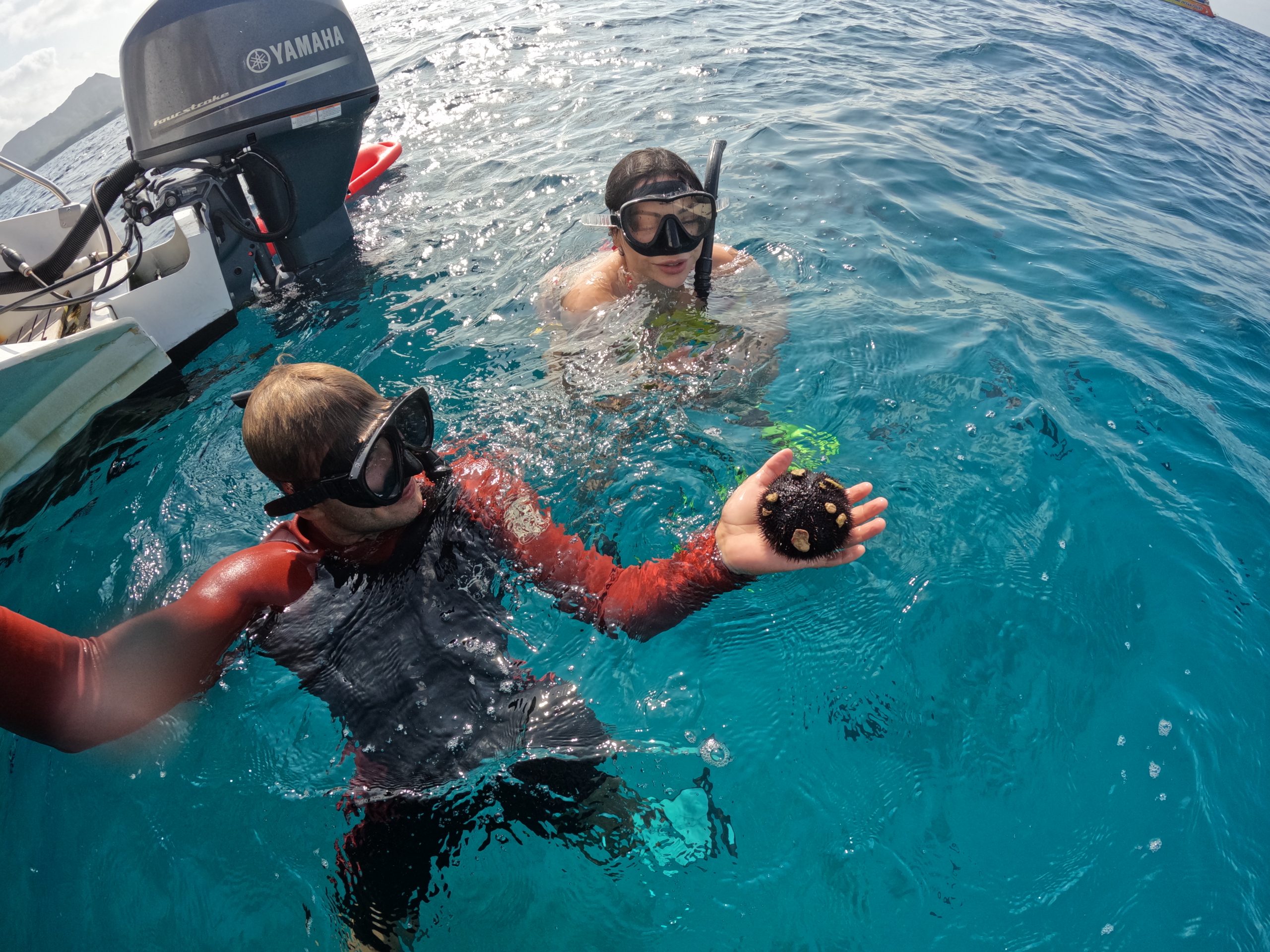
Oahu’s water is warm enough to snorkel in pretty much any month you pick, though it definitely shifts with the season. Winter has a bit of a bite to it when you first wade in, while summer and early fall stay noticeably warmer for weeks at a stretch. If you are planning a trip, it helps to know roughly what the ocean is doing before you pack your gear.
Why Temperature Matters
Cold water shortens your patience. You start thinking about getting out sooner, especially if you run cold to begin with. Warm water does the opposite. It lets you relax, float, and actually enjoy watching the reef instead of counting down until you can leave. And cold tolerance is personal; 77°F might feel perfectly fine to you and miserable to the person next to you.
Water Temperature by Month
| Month | Approx. Temp |
| January | 75–77°F |
| February | 75–77°F |
| March | 76–78°F |
| April | 77–79°F |
| May | 78–80°F |
| June | 79–81°F |
| July | 80–82°F |
| August | 81–83°F |
| September | 81–83°F |
| October | 80–82°F |
| November | 78–80°F |
| December | 76–78°F |
May through October is usually the sweet spot. Winter snorkeling is still very doable — just toss a wetsuit top in your bag if you’re planning a longer session.
South Shore vs. North Shore
Where you go can matter more than what month it is.
Waikiki and the rest of the South Shore stay sheltered most of the year, which is why they are a dependable pick even in the middle of winter when other spots are getting hammered by swell.
The North Shore tells a different story once winter hits. Surf gets big, a lot of the popular beaches turn rough, and summer becomes the real window for snorkeling out there.
Then there is Kailua and Lanikai on the Windward side — beautiful water, no argument, but trade winds kick up often enough to stir the surface and cloud things over.
None of this means temperature doesn’t matter. It just means it’s not the whole story. Swell, wind, and visibility can override a perfectly nice number on the thermometer.
Best Time of Day
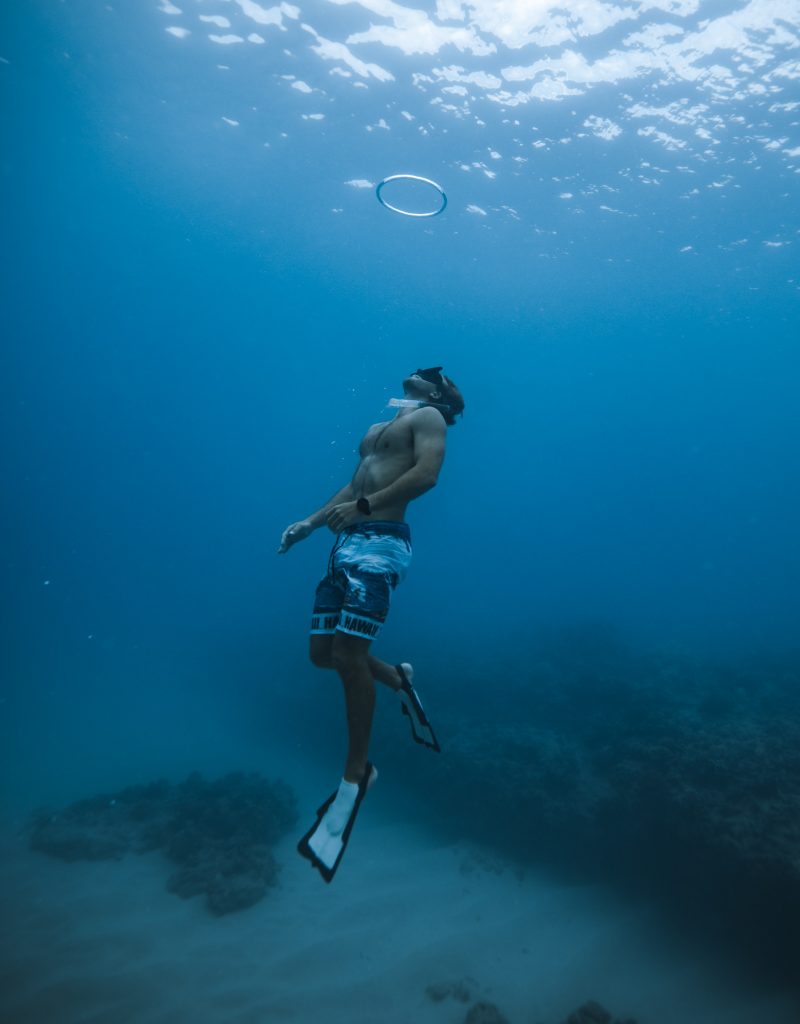
Morning tends to win out, mostly because wind usually builds as the day goes on and calmer water is easier to see through. That said, don’t treat this as gospel — ocean conditions change fast, so it’s worth checking locally before you head out, and a tour operator can usually tell you what to expect for your slot.
What to Wear
A rash guard covers sun protection and adds a touch of warmth, which is enough for most people most of the year. If you are going out in winter or staying in for a while, a wetsuit top is worth the extra bag space.
Sunscreen is worth a mention too. Hawaii restricts products containing oxybenzone or octinoxate, so check the ingredient list yourself rather than trusting a “reef safe” label — the state’s DLNR points out that the term isn’t actually regulated.
Marine Life
Green sea turtles and reef fish are around all year, though what you run into really depends on the day, the spot, and a little luck. Winter adds the possibility of spotting humpback whales from the water — a genuine bonus if it happens, but not something to plan a trip around. Wildlife doesn’t work on a schedule.
Snorkeling in Waikiki
If you’re staying in Waikiki and would rather skip the planning, a guided tour takes care of gear and location for you. Hawaii Ocean Charters, for instance, runs a two-hour shared Turtle Canyon trip with everything included, along with a semi-private turtle-and-catamaran cruise and a fully private, customizable charter if you want more say over the day.
Should You Snorkel in Winter?
Sure, as long as you are okay with cooler water and conditions that can turn on you. South Shore spots generally hold up fine, though bigger winter swells can mess with visibility now and then. Pack a wetsuit top if you run cold. And winter comes with its own upside — whale season, plus fewer people at some beaches.
Planning Your Trip
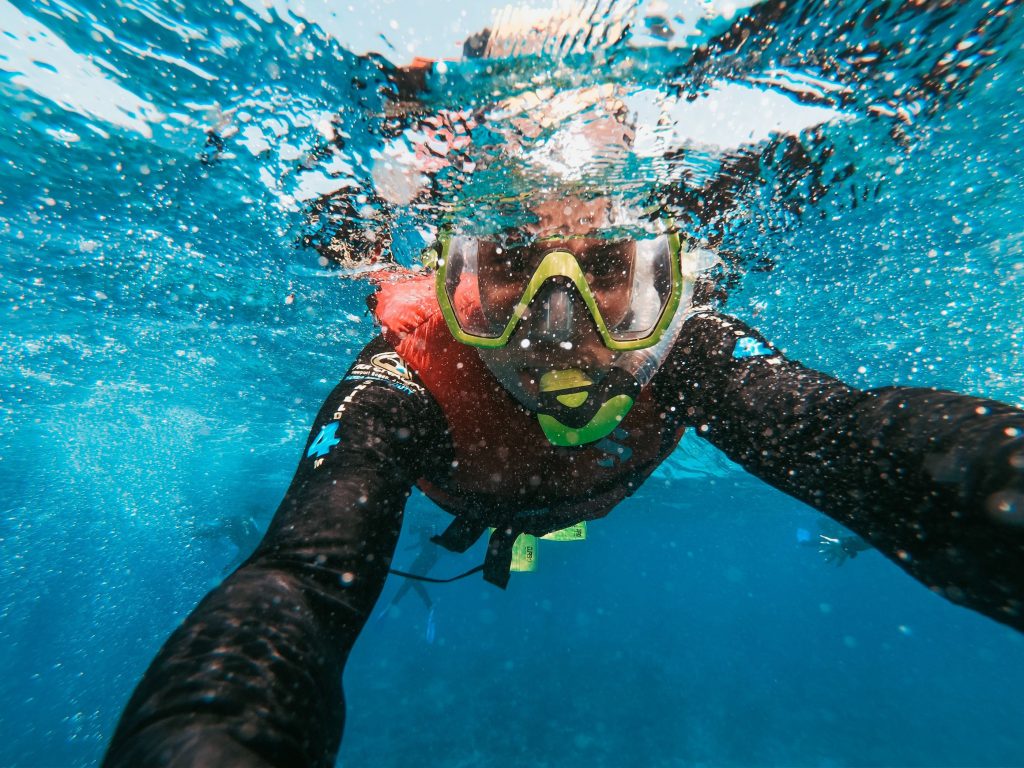
If warm water is the priority, July through October is your best bet. If you are flexible on temperature, honestly, any month works.
Location often matters more than the calendar anyway. Waikiki holds up year-round; the North Shore is really more of a summer proposition. Whatever month you land on, check conditions close to your trip — temperature tells you how the water will feel, not whether it will actually be calm, clear, or safe that day.
The Takeaway
Oahu stays snorkel-friendly all year, with summer into early fall bringing the warmest stretch. A guided trip can take the guesswork out of both timing and gear, whether that’s the shared Turtle Canyon tour, a semi-private cruise, or a private charter. And the best day to snorkel usually isn’t the warmest one. It is the day the water, the weather, and your own mood all happen to line up.
