
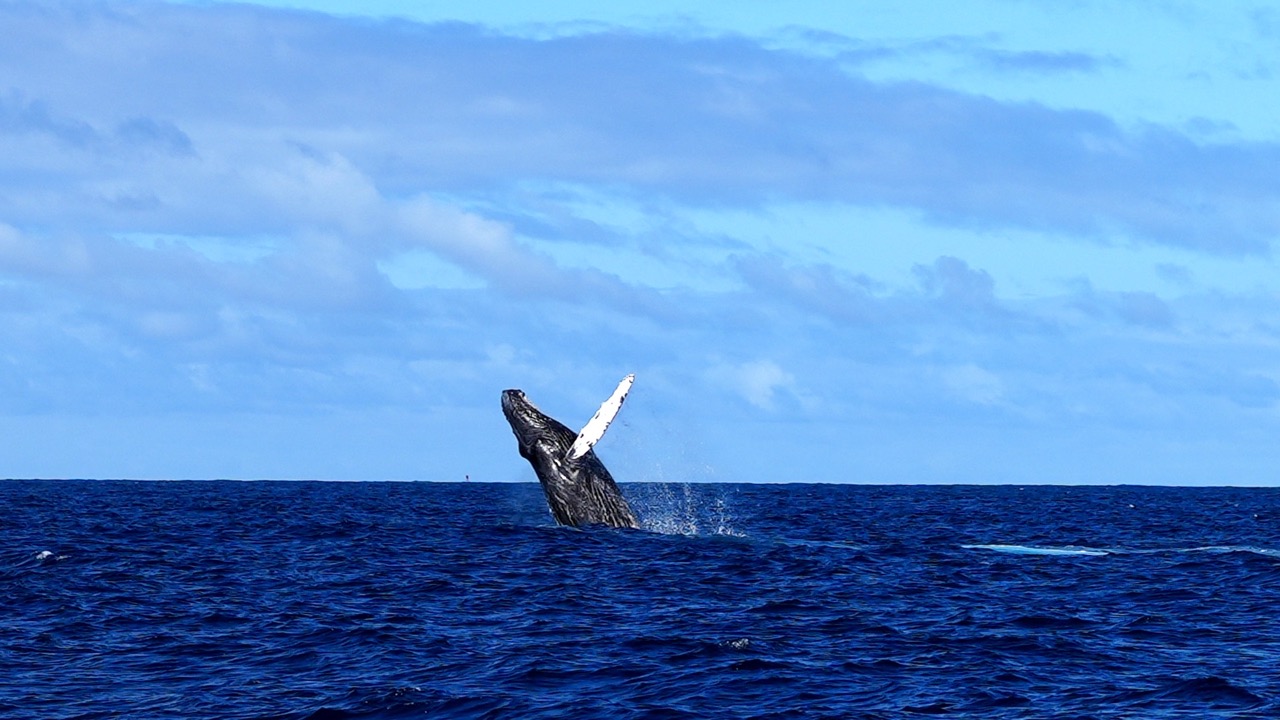
What should you wear for whale watching? Layers, sun protection, and shoes with good grip. But the details are where most people slip up, literally and otherwise.
Talk to any deckhand who has been doing this a while. They will point out the same guests every time, flip-flops, tank tops, asking for a blanket twenty minutes in.
Here is what actually works. And if you are mapping out a morning on the water, our Whale Watching in Honolulu tour leaves right from Waikiki, so packing right is genuinely the only prep involved.
Why It Feels Colder Than the Beach
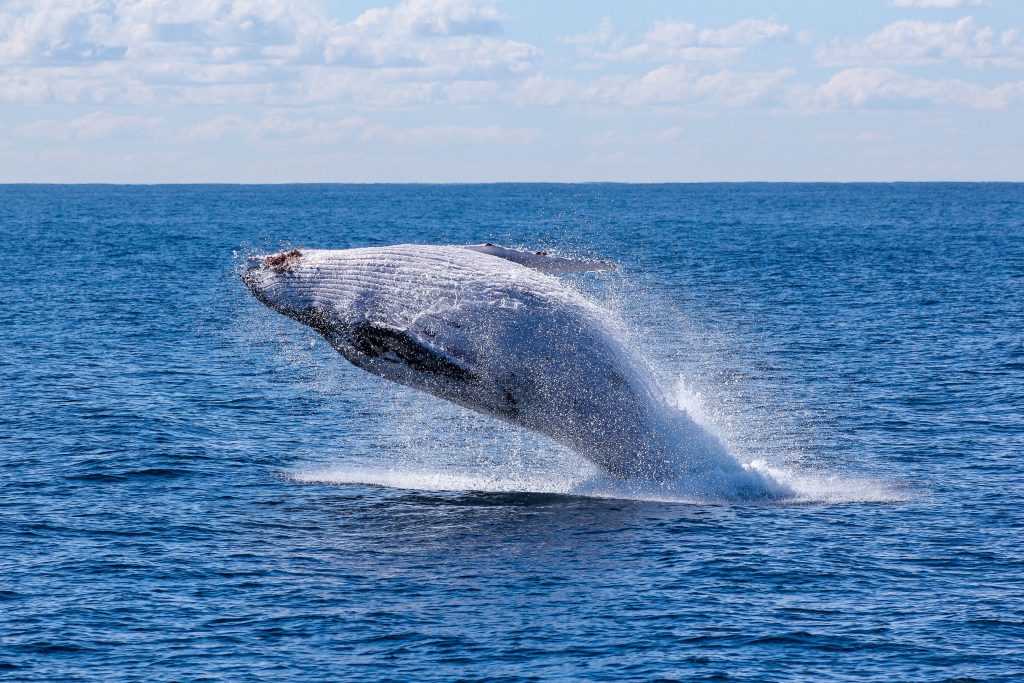
Wind picks up fast once the boat clears the harbor. Moving air pulls heat off skin quicker than most people expect, and by the time they notice, they’re already cold. Humpback whales typically arrive in Hawaii in winter, with sightings commonly occurring from December through April. This happens to line up with Oahu’s breeziest months. January through March is generally considered the heart of the season.
Warm on the sand doesn’t always mean warm past the reef.
Myth: Hawaii is warm year-round, so a T-shirt should be enough..
Reality: Wind and boat speed can make the water feel noticeably cooler than the beach.
1: Skip Cotton
Cotton holds onto sweat and sea spray and just stays wet, sometimes for the whole trip.
A thin, moisture-wicking shirt fixes that. Merino wool or a synthetic blend both dry fast. Short sleeves are fine underneath a jacket.
2: Pack Something Windproof
One thin windbreaker changes the entire experience. It blocks a breeze no t-shirt ever will, and it barely takes up space folded into a bag.
Slip it on once the boat picks up speed. You’ll notice the difference almost immediately.
3: Choose Shoes With Good Grip
Flip-flops feel like the obvious Hawaii move. Fair enough. But a wet deck gets slippery, and an open sandal won’t protect a foot that slides.
- Sneakers or boat shoes, rubber soles
- No smooth soles, no heels
4: Cut the Glare
Sun bouncing off open water hits harder than anything on land. Squinting through it makes whales tougher to spot, too.
Polarized sunglasses solve the glare problem. Use a reef-conscious, water-resistant sunscreen and follow any sunscreen guidelines provided by your tour operator.
5: A Hat That Actually Stays On
A good hat blocks sun coming off the water from every angle. It also keeps your head warm once the wind kicks up.
Skip a loose cap with no strap.
6: A Rain Layer, Clear Skies or Not
Ocean spray can soak you without a cloud in sight. Once the boat moves, that fine mist finds everyone near the bow.
A packable poncho handles it. Roll it small, forget it’s there, thank yourself later.
7: A Small Dry Bag
Phone, sunscreen, wallet, whatever matters. Once spray starts flying, pockets aren’t reliable.
A cheap dry bag, or even a zip-top one, keeps things safe without much thought.
What to Wear Whale Watching in Summer
Worth clearing up a common mix-up here. Humpback whales come to Hawaii to breed and calve, and that migration matches winter, not summer. Most Oahu sightings land between January and March.
Humpback whale watching is seasonal in Hawaii. The whales typically migrate back to feeding grounds outside Hawaii in spring, so dedicated humpback tours are generally offered during the winter season rather than summer.
If the search “what to wear whale watching in summer” brought you here for a trip elsewhere, the basics hold anyway. Light layers. Sun protection. Shoes with grip. Wind and glare don’t check the calendar.
Putting It All Together
An outfit like this works as a system, not a single choice. Moisture-wicking shirt to keep you dry. Windbreaker for warmth. Grippy shoes so you are not sliding around. Sun gear so two hours outside doesn’t wear you down.
Dressing for wind and spray makes it much easier to stay comfortable on deck. Pack the layers, grab your sunglasses, and you’ll be ready for a comfortable morning on the water.
Planning a winter trip to Oahu? Hawaii Ocean Charters can help you choose the right tour and time of day. Layers sorted, go ahead and book your whale watching session, and let the packing list do the rest.
FAQs
- Will seasickness ruin the trip?
Sometimes, for some people. Sitting near the center and watching the horizon tends to help. - Is this many layers overkill?
Maybe. But you can shed one if you’re warm. Conjuring a jacket from nowhere once you’re cold is a lot harder. - And is it worth booking without a guaranteed sighting?
Whale sightings are never completely predictable because whales are wild animals. Experienced crews monitor conditions and recent whale activity to help maximize viewing opportunities. The experience can still be worthwhile for the ocean views, boat ride, and chance to see other marine life.
