
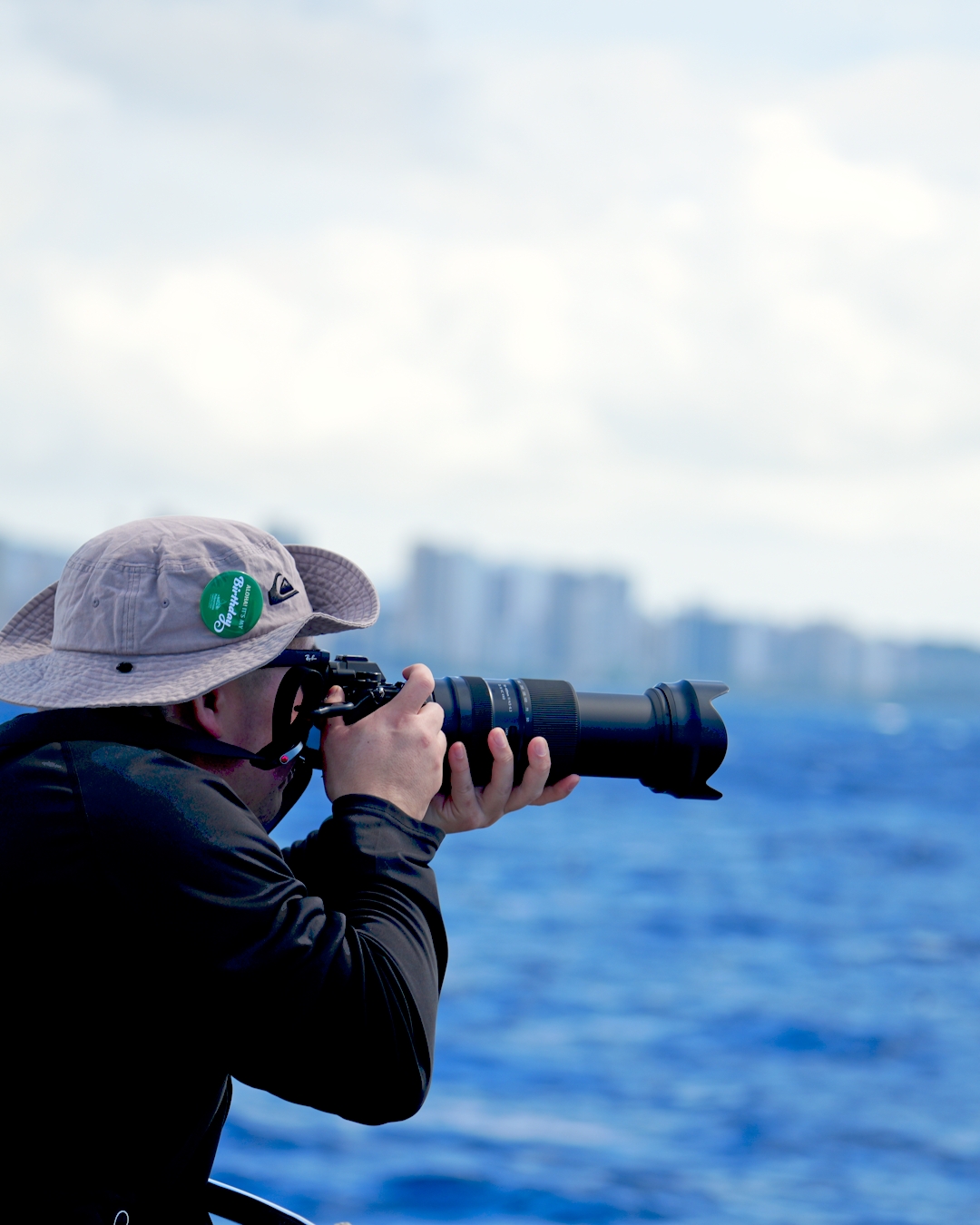
The whales show up earlier than people think. Humpbacks generally begin appearing in Hawaiian waters in November, with numbers building toward the January-through-March peak. The guides all point toward January or February, as if the season has a hard start date. It doesn’t. Anyone booking a December trip for the weather is, without realizing it, already standing in the middle of the migration.
Why December Gets Overlooked
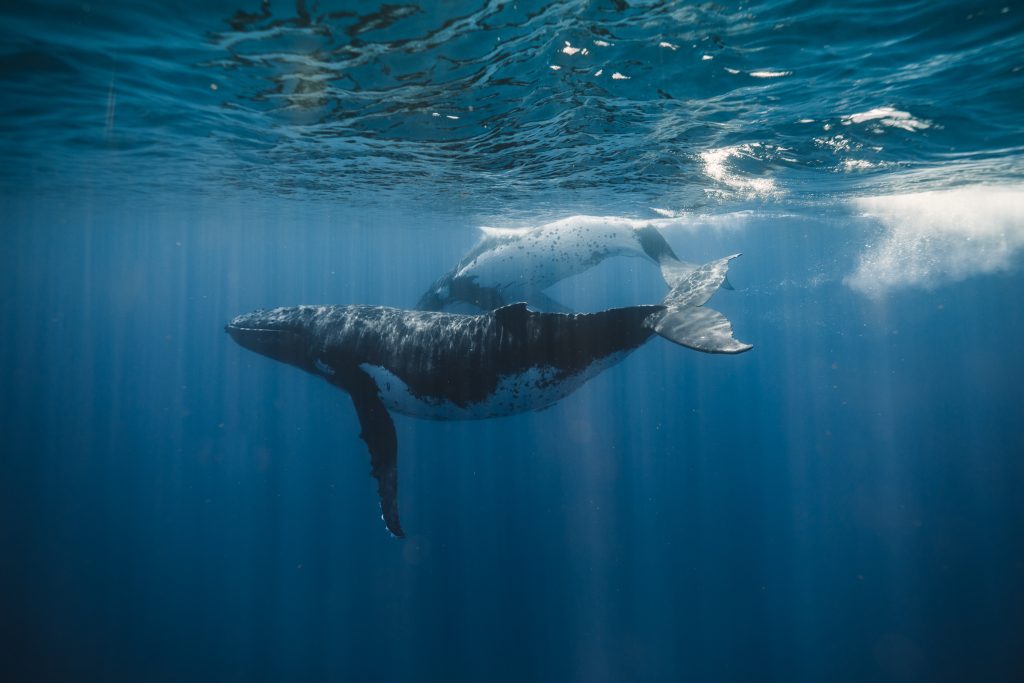
Humpbacks generally return to Hawaiian waters from November through spring, with January through March marking peak season. Some whales may still be present into May, although sightings become less typical as the season winds down. January through March is when it gets loud: more boats, sightings, and people crowding the same stretch of water. December is the quiet lead-up to all that, and the quiet is kind of the point.
December gets less attention because many visitors associate whale watching with the January-through-March peak. That assumption is doing a lot of work. December falls before the January-through-March peak, so travelers who prefer an earlier-season trip may find it appealing. It is not a secret exactly. It is just something most visitors never think to ask about.
Nobody can promise a sighting, and any tour that does is lying a little. Whales don’t run on a schedule. Weather shifts, luck plays a part, and some mornings the water just stays empty. Whales can begin appearing in November, so December is already part of the established viewing season—even though it isn’t peak season yet.
How Local Captains Find Early Whales
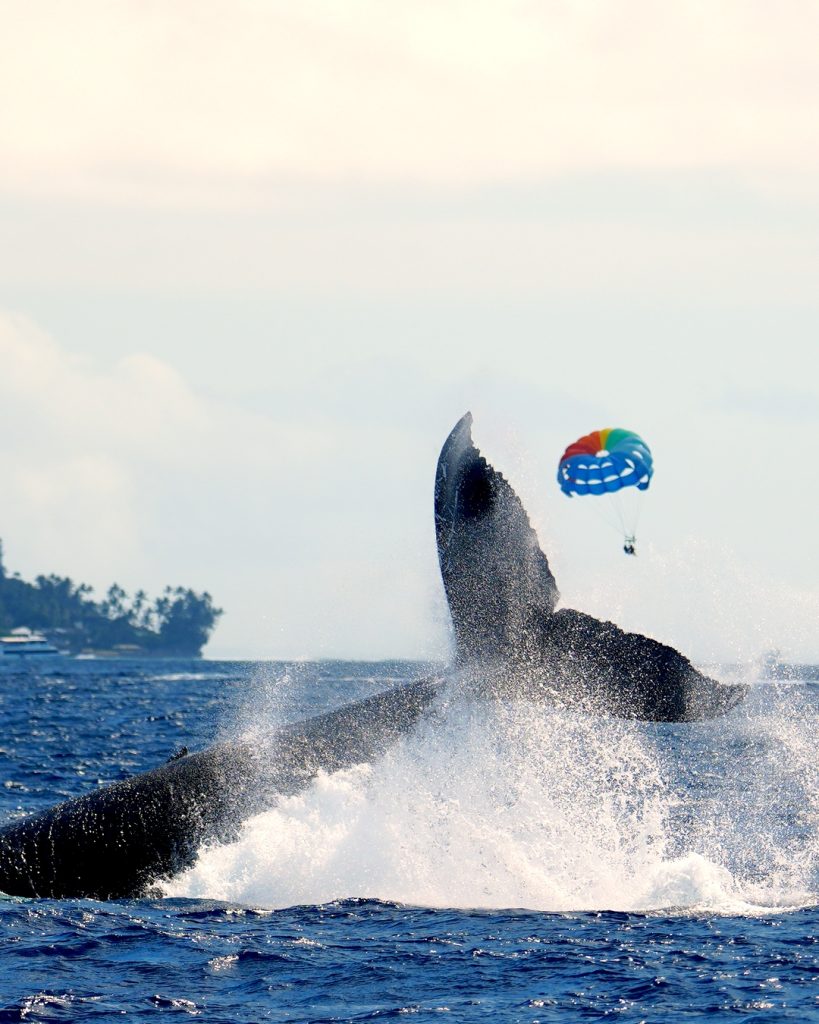
Kewalo Basin Harbor is where most of these tours leave from, a short ride out of Waikiki. The captains who have spent years on this water develop a feel for it. The routes whales tend to favor, the way a distant blow or fin slap means something worth chasing. They ease in slowly once they spot it. Experienced captains notice subtle changes in sea conditions and wildlife activity that can help them decide where to look.
Shore or Boat
A boat isn’t the only option. From places like Makapuʻu Point, the ocean opens up enough that a whale sighting from shore is genuinely possible. On a calm December morning, a smoother surface can make blows and other whale activity easier to spot. Still, there is a ceiling to what shore watching gives you. You are at a distance, waiting on whatever happens to pass. A boat closes that gap.
Shared Tour or Private Charter
The bigger decision most people wrestle with is shared versus private. A shared tour is the easy, affordable choice, and it works fine for most people who don’t mind a fixed departure time. A private whale watching charter in Waikiki puts a group on the water without strangers on deck and lets the day move at its own pace — usually a few hours on a small catamaran, room for a handful of guests, nothing scheduled beyond what the group wants. Neither one is necessary to see a whale. It comes down to whether flexibility is worth paying a little more for, and comparing a private option is worth doing before locking anything in.
Beyond the Whales
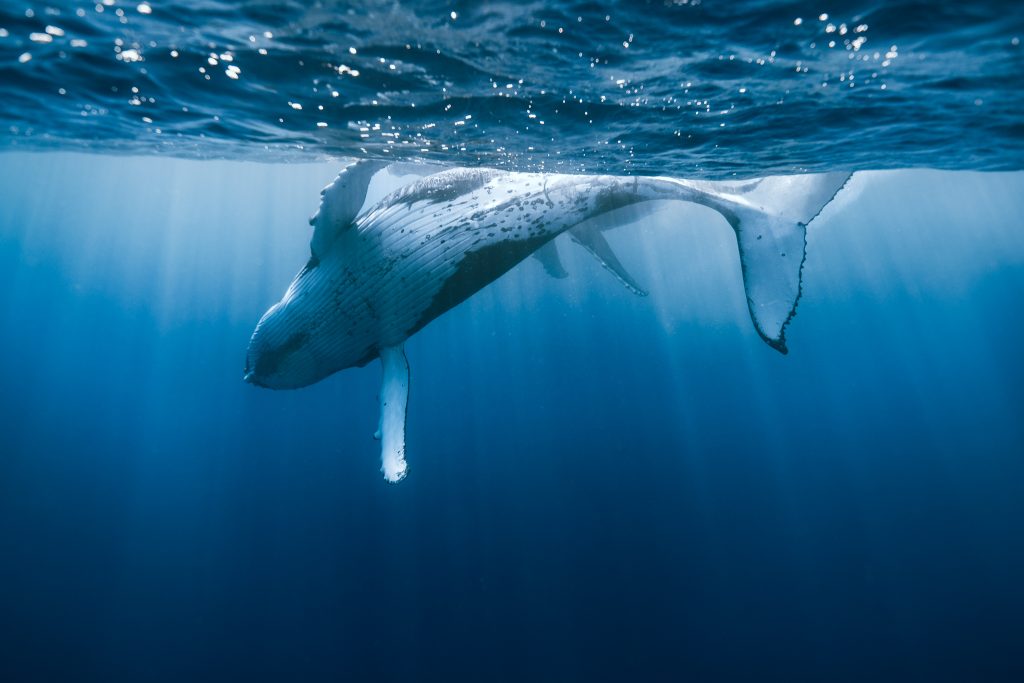
December on Oahu isn’t just about whales, either. December temperatures in Honolulu are typically warm enough for swimming and outdoor activities, though conditions can vary by day and location. Turtle Canyon remains a popular spot for seeing Hawaiian green sea turtles.. Hanauma Bay can be a good early-day snorkeling option, when conditions are often favorable for visibility. Honolulu City Lights gives the season a distinctly Hawaiian feel downtown, and Waikiki Beach at night has a stillness to it that summer never quite manages. None of it requires much planning. It’s just what’s there once the crowds thin out.
Evenings can turn cool once the trade winds pick up, so a light jacket earns its place in the bag. Passing showers are possible, so a light rain layer is worth packing. None of it changes the basic math: December can be a smart choice if you want to catch the start of whale season before the January-through-March peak.
Frequently Asked Questions
- How early can you actually see whales on Oahu?
Humpbacks generally begin appearing in Hawaiian waters in November. December is already within the established viewing season, although January through March is the peak. By December the numbers get steadier, even if nobody’s calling it peak season yet. - Is a shared tour or a private charter the better call?
It depends what you are after. Shared tours are cheaper and easier to book. Private charters cost more but give you the boat and the schedule to yourselves. - What’s worth packing for a December tour?
A light jacket for the breeze, reef-conscious sunscreen, and a camera with some zoom are useful additions.
