
When to see whales in Hawaii is simple at first glance. The season runs from December to April, with peak sightings from January to March. But that answer alone does not help much once real decisions begin. Which island? What time of day? Should a tour be booked? That is where most travelers get stuck.
The truth is, spotting whales is not just about months on a calendar. It is about how you choose to experience the ocean. And in a place like Waikiki, the difference between a random sighting and a magical one often comes down to the type of boat tour you choose.
This is where many visitors miss out. They rely on luck from the shore, while others step onto the water and see something unforgettable.
Why Timing Alone Doesn’t Guarantee Whale Sightings
Many guides talk about the best time for whale watching in Waikiki. They are not wrong. But they are incomplete.
Whales migrate to Hawaii to breed and give birth. That is why the winter months are ideal. Still, whales move constantly. They do not follow schedules. Some days, they are close to shore. Other days, they are farther out.
That raises a real question:
“What if the whales are not where you are?”
From land, there is little control. From the ocean, everything changes.
Boat tours allow captains to track whale activity in real time. They listen for cues, scan the horizon, and adjust routes. It is not guesswork. It is an experience.
That is why many travelers who truly want to see whales choose guided tours, such as those offered by Hawaii Ocean Charters. It is not just about going out to sea. It is about going out with people who know where to look.
Tip 1: Choose the Right Month, But Stay Flexible
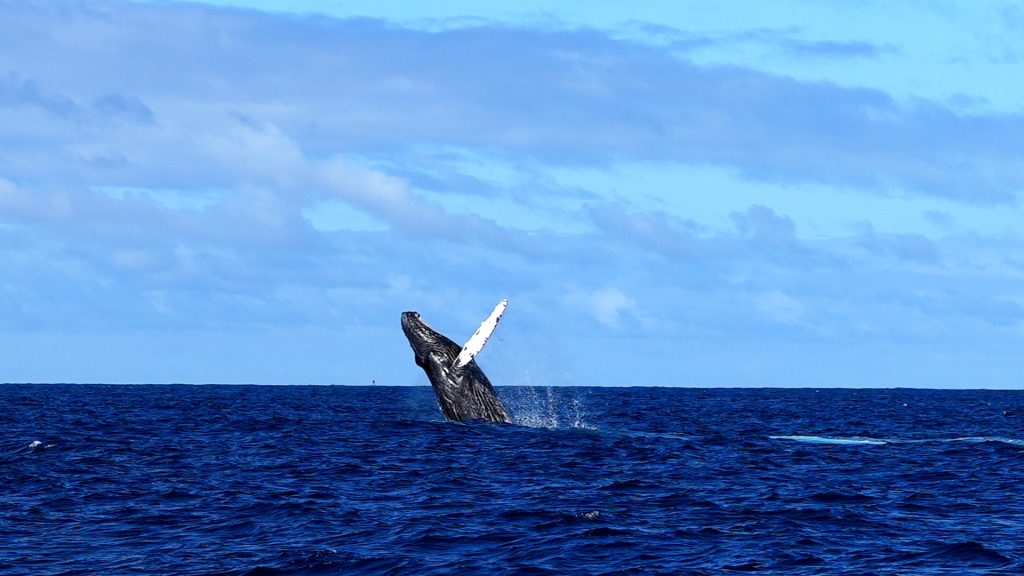
Yes, January to March is peak season because whale activity is high. Breaches, tail slaps, and mother-calf pairs are more common.
But here is something many do not expect.
Some of the calmest, most intimate sightings happen early or late in the season. December and April often bring fewer crowds. The ocean feels quieter, and the experience feels more personal.
Think about it this way:
- Peak season = more whales, more boats
- Shoulder months = fewer boats, calmer experience
So the real decision becomes:
“Do you want more sightings, or a better experience?”
A flexible mindset often leads to a better trip.
Tip 2: Time of Day Matters More Than You Think
Most people focus only on months, but the time of day plays a big role.
Morning tours often offer:
- calmer waters
- better visibility
- more active whale behavior
Afternoons can still be good, but winds tend to pick up. The ocean gets choppier, and sightings may feel less clear.
Now imagine standing on a stable boat, with soft morning light hitting the water. A whale surfaces nearby. The spray catches the sun.
That moment feels very different from a rushed, crowded afternoon ride.
Many guided experiences, like the whale watching tours at Hawaii Ocean Charters, are designed around these optimal windows. When conditions are right, everything else falls into place.
Tip 3: Your Viewing Method Changes Everything
This is where expectations often shift.
Watching whales from the shore sounds easy. Sometimes, it works, but distance is a real challenge. Whales can appear as small dark shapes far away.
On the water, it is a different world. You are closer, you hear the blow, and you feel the scale of the animal. More importantly, you go where the whales are.
That is why booking a Waikiki whale watching cruise makes such a difference. These tours are built around real movement patterns, not fixed viewpoints.
Tip 4: Group Tours vs Private Charters – What’s Better?
This is one of the biggest decisions travelers face. There is no single right answer. It depends on what kind of experience feels right.
Group Boat Tours Work Best If:
- You want a social, shared experience
- You prefer a lower cost option
- You enjoy a lively atmosphere
Private Charters Work Best If:
- You want privacy and space
- You want flexible timing and routes
- You are celebrating something special
Private charters, especially with experienced crews, often allow more freedom. The boat can slow down, change direction, or stay longer near a sighting.
That freedom often leads to deeper, more memorable encounters. Both options are available through Hawaii Ocean Charters, making it easier to choose what fits your style.
Tip 5: Combine Whale Watching With Other Experiences
Here is something many travelers overlook.
Whale watching does not have to be a standalone activity. In Waikiki, it often blends with other ocean experiences. Calm waters, clear visibility, and marine life create the perfect setting.
That is why some visitors combine whale watching with activities like:
- snorkeling
- turtle spotting
- relaxing coastal cruises
And this brings up another thought many people have:
“Can the same trip include swimming with turtles?”
Yes, in many cases, it can.
Waikiki waters are known for green sea turtles. They are calm, slow-moving, and often seen near reefs. Guided tours make it easier to find safe spots and enjoy the moment without stress.
So instead of planning multiple trips, many choose one well-organized experience that offers more value.
Tip 6: The Right Crew Makes All the Difference
Two tours can follow the same route and feel completely different.
Why?
Because of the crew.
Experienced captains understand ocean patterns. They know how to read subtle signs. A distant splash, a change in bird movement, even a shift in water texture.
A good crew also creates a relaxed environment. This is where operators like Hawaii Ocean Charters stand out. Their focus is not just on reaching a location. It is shaping the entire experience.
That includes:
- safety guidance
- local knowledge
- flexible routing
- calm, well-paced tours
And those small details often turn a good trip into a great one.
What Most People Really Want (But Don’t Say Out Loud)
At first, the goal sounds simple.
“See whales.”
But once the trip begins, something shifts.
People want more than just a sighting. They want a feeling. They want that quiet moment when the ocean goes still. When everyone on the boat stops talking. When a whale rises, just a few meters away.
That kind of moment rarely comes from chance alone. It comes from being in the right place, at the right time, with the right people guiding the experience.
Key Takeaways to Remember
- December to April, with peak months from January to March, are the best times for whale watching in Waikiki
- Morning tours often offer the best conditions and visibility
- Boat tours greatly improve your chances of sightings
- Group tours are social and budget-friendly
- Private charters offer flexibility and a more personal experience
- Combining whale watching with snorkeling or turtle encounters adds more value
Whale watching in Hawaii is not just about timing. It is about how close you get to the moment, how calm the experience feels, and how much of the ocean you truly get to see.
So the next question is not just when to go. It is how you want to experience it.
