
Maui may get most of the attention for whale watching in Hawaii because it has the highest concentration of humpback whales during winter. But Oahu gives travelers the better overall experience because it is easier, less stressful, and surprisingly personal, especially on smaller private charters.
That is one reason many travelers searching for which Hawaiian island is best for whale watching eventually choose Oahu over the other islands.
Most visitors arrive in Hawaii thinking whale watching is just another activity on the itinerary. Then the engines slow down offshore during an Oahu whale watching tour. Everybody starts scanning the horizon. Someone says, “Wait, was that one?” Then a whale surfaces close enough to hear the exhale.
The whole boat goes quiet for a second.
That is usually the moment people stop thinking about checklists and start actually experiencing Hawaii.
Which Hawaiian Island is Best for Whale Watching?
The answer depends on what kind of trip someone wants.
Here is the simple breakdown:
| Island | Best For | Things to Know |
| Maui | Highest whale activity | Can feel busy during peak season |
| Oahu | Easy access and private charters | Great for first-time visitors |
| Kauai | Quiet scenery | Fewer tour options |
| Big Island | Adventure feel | Longer travel distances |
Maui is well known for whale watching because large numbers of humpback whales gather in the Auau Channel and the Maui Nui Basin during migration season. It often tops travel lists for sheer whale density.
But most travelers aren’t planning their trip based only on whale statistics. They’re looking for an experience that feels easy, enjoyable, and well-balanced.
They want:
- Quick access from their hotel
- Comfortable and relaxed boat tours
- Beautiful ocean and island scenery
- Family-friendly activities
- Flexible timing without complicated planning
Oahu delivers all of this in a simpler, more convenient way. Everything feels more accessible, especially for visitors staying in Waikiki. That ease is a big reason many travelers end up enjoying Oahu whale watching more than they initially expected.
Why Oahu Whale Watching Feels More Relaxed
Some whale watching destinations feel crowded before the tour even starts.
Parking lots fill early. Big tour groups line up at the harbor. Everybody seems stressed about getting the “best spot” on the boat.
Oahu feels different, especially on smaller charters. People staying in Waikiki can reach the harbor quickly without turning the entire day into a major plan.
The experience starts feeling more natural and less rushed. Once the boat leaves the harbor, the city slowly fades behind the coastline. Diamond Head becomes visible from the water. The ocean opens up around the boat.
Then everything slows down.
People stop staring at their phones. Kids start looking over the edge of the boat. Guests begin scanning the water without even realizing it.
That calm feeling becomes part of the experience.
Why Smaller Whale Watching Tours Feel Better
This is where private charters really stand out.
Large tour boats can feel overwhelming sometimes. People crowd near the rails every time a whale appears. Everyone lifts phones into the air at once. Families struggle to stay together.
Smaller boats change that completely.
Hawaii Ocean Charters offers private whale watching tours with small groups of up to six guests aboard catamarans departing from Kewalo Basin Harbor near Waikiki. That smaller setup creates a very different atmosphere.
Guests can:
- Move around comfortably
- Sit where they want
- Talk quietly without loud crowds
- Bring drinks and snacks on board
- Enjoy more space during sightings
There is more time to notice the little things, like the sea turtles surfacing unexpectedly nearby, and the way everybody suddenly turns toward the same spot when a whale appears.
Those moments feel more personal on smaller boats.
The Best Whale Watching Moments Usually Happen Unexpectedly
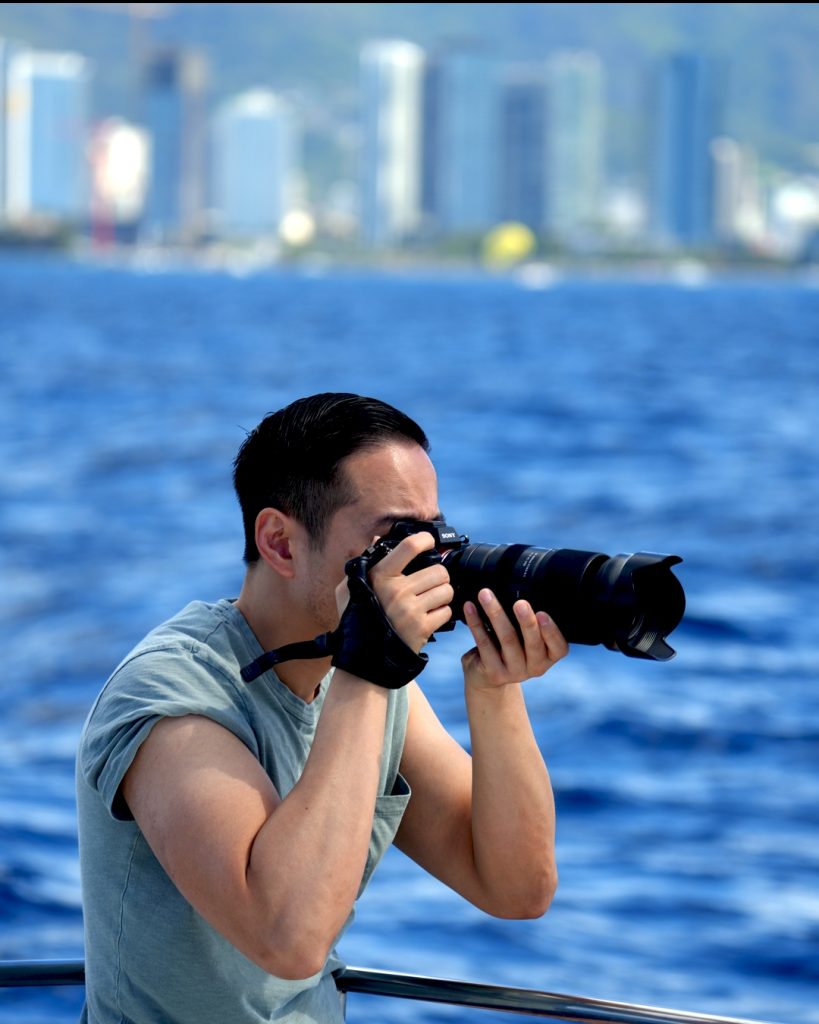
A lot of people expect nonstop action. But real whale watching feels slower than that.
Sometimes the boat cruises quietly for a while. Guests look across open water, waiting for movement. The captain watches carefully. Nobody knows exactly where the next sighting will happen.
Then somebody spots a blow in the distance, and everything changes instantly.
People stand up at once. Cameras come out too late. Someone laughs because they missed the first breach while trying to unlock their phone.
That unpredictability is what makes whale watching exciting. If every sighting happened on schedule, the experience would lose something important.
Best Time for Oahu Whale Watching
Whale season in Hawaii usually runs from December through April.
The busiest months are:
- January
- February
- March
This is when humpback whales migrate from Alaska to Hawaii’s warmer waters.
Morning tours are usually the best option because:
- Ocean conditions are calmer
- Visibility is clearer
- Winds are lighter
- The harbor feels quieter
Many experienced travelers prefer earlier tours for exactly those reasons. If someone wants a private charter, booking early matters. Peak whale season fills up quickly around Waikiki.
Is Oahu Whale Watching Good for Beginners?
Yes. Probably more than people expect.
A lot of first-time visitors secretly worry about:
- Seasickness
- Rough water
- Crowded tours
- Children getting restless
- Not seeing whales at all
Those concerns are normal.
Oahu works well for beginners because the experience feels easier overall. Harbor access near Waikiki is simple, and tours do not require long travel times. Private charters also remove much of the stress that comes with large group tours.
Guests can ask questions directly to the crew. Families stay together more easily. There is no pressure to compete for space every time something happens nearby.
That slower pace helps people relax.
Oahu Whale Watching is About More Than Whales
People book tours expecting wildlife sightings. They leave talking about the whole morning instead. The coastline itself becomes part of the experience.
During tours, guests often see:
- Diamond Head
- Waikiki Beach
- Honolulu skyline views
- Clear reef water
- Hawaiian green sea turtles
Some days, dolphins appear unexpectedly too. Then there is the atmosphere offshore. The breeze feels cooler away from the city, conversations become quieter, and even children often settle into the rhythm of the ocean after a while.
Ethical Whale Watching Matters
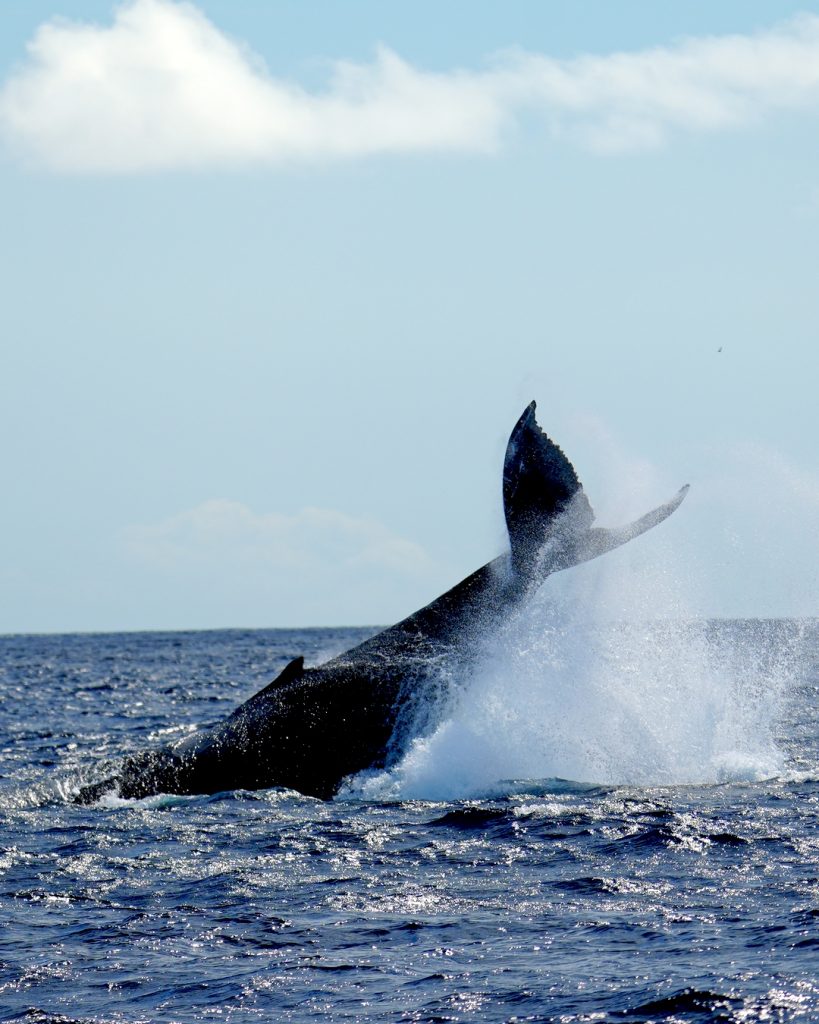
Good tours respect the whales first.
Responsible captains follow federal guidelines that require boats to stay at least 100 yards away from humpback whales. This protects mothers and calves during migration season.
Travelers should pay attention to this when choosing tours.
Good whale watching is not about chasing animals aggressively for photos. It is about observing them safely and respectfully in their natural environment.
Experienced crews understand that balance, and guests usually notice the difference immediately.
Oahu vs Maui for Whale Watching
People compare these islands constantly before booking.
Here is the honest answer:
Choose Maui if:
- Whale sightings are the only priority
- You want maximum whale activity
- You do not mind larger seasonal crowds
Choose Oahu if:
- You want convenience
- You are staying in Waikiki
- You prefer smaller private charters
- You want a balanced Hawaii vacation
- You are traveling with family or beginners
Neither choice is wrong. It simply depends on the kind of experience someone wants to remember afterwards.
Are Waikiki Whale Watching Tours Worth It?
For most travelers, yes. Especially private charters.
People rarely remember crowded tourist attractions years later. They remember experiences that felt personal and relaxed. That is what smaller whale watching tours do well.
Guests on board with Hawaii Ocean Charters can enjoy the trip at their own pace instead of feeling pushed through a strict group schedule. Some tours become lively and excited once whales appear nearby. Others stay calm and quiet the entire morning.
Both experiences feel authentic because nothing is overly staged. Every trip feels slightly different. That is part of the appeal.
Some mornings bring multiple whale sightings quickly. Other days move slowly until one unforgettable moment changes everything near the end of the tour.
Nobody fully controls what happens on the ocean. That uncertainty is exactly why people keep looking toward the horizon the entire time.
