
Whales breach to communicate, play, clean their bodies, and express strength.
Their single leap out of the water is not random. It is one of the most powerful signals in the ocean, and whale watchers see it most often when conditions feel just right.
If you have ever watched a humpback rise and crash back into the sea, the moment feels unreal. People often ask if whales do it for fun, if boats cause it, or if it means danger. The answers are calmer, more human, and far more fascinating than most expect.
This guide breaks down the real reasons behind why whales breach, using science, field observations, and what experienced guides notice season after season in Hawaiian waters. This guide is for curious travelers who want clarity, not myths.
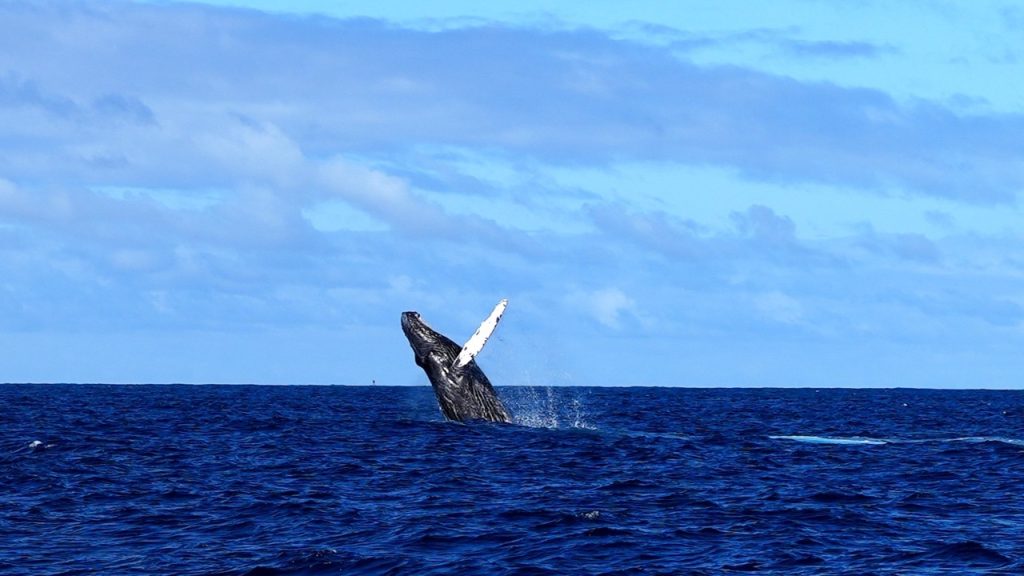
Why do Whales Breach in the First Place?
Whales breach because sound, movement, and physical impact travel far underwater. A breach sends a message that can be felt and heard across miles of open ocean. It is one of the clearest ways whales interact with their world.
Marine biologists agree that breaching serves several purposes. No single reason fits every breach. Context matters. Age matters. Season matters.
In Hawaii, breaching peaks during whale season when humpbacks migrate to Hawaii to mate, calve, and rest. Calm seas, warm water, and social behavior create the perfect stage for these dramatic displays.
1. Communication Across Long Distances
Sound moves fast underwater; faster than through air. When a whale slams its body onto the surface, the impact creates a deep acoustic signal.
That signal can travel miles.
This matters in open ocean spaces where visibility is low. A breach can say many things at once. It may announce presence, warn rivals or attract a mate.
Researchers studying humpbacks have recorded increased breaching during mating periods. The timing suggests intention, not accident.
For whale watchers, this often means seeing repeated breaches in the same area. One whale breaches. Another responds minutes later. The ocean starts to feel alive with conversation.
2. Breaching as a Social Signal
Whales are social animals, especially humpbacks. Mothers, calves, and escort males interact constantly. Breaching often happens when whales gather. A large breach can act like body language. It shows size, strength, and energy. In competitive groups, males may breach to show dominance without direct contact.
This is one reason guided tours matter. Experienced captains know how to read these moments and keep a respectful distance. Tours offered through Hawaii Ocean Charters are designed around these principles, combining local knowledge with respectful practices.
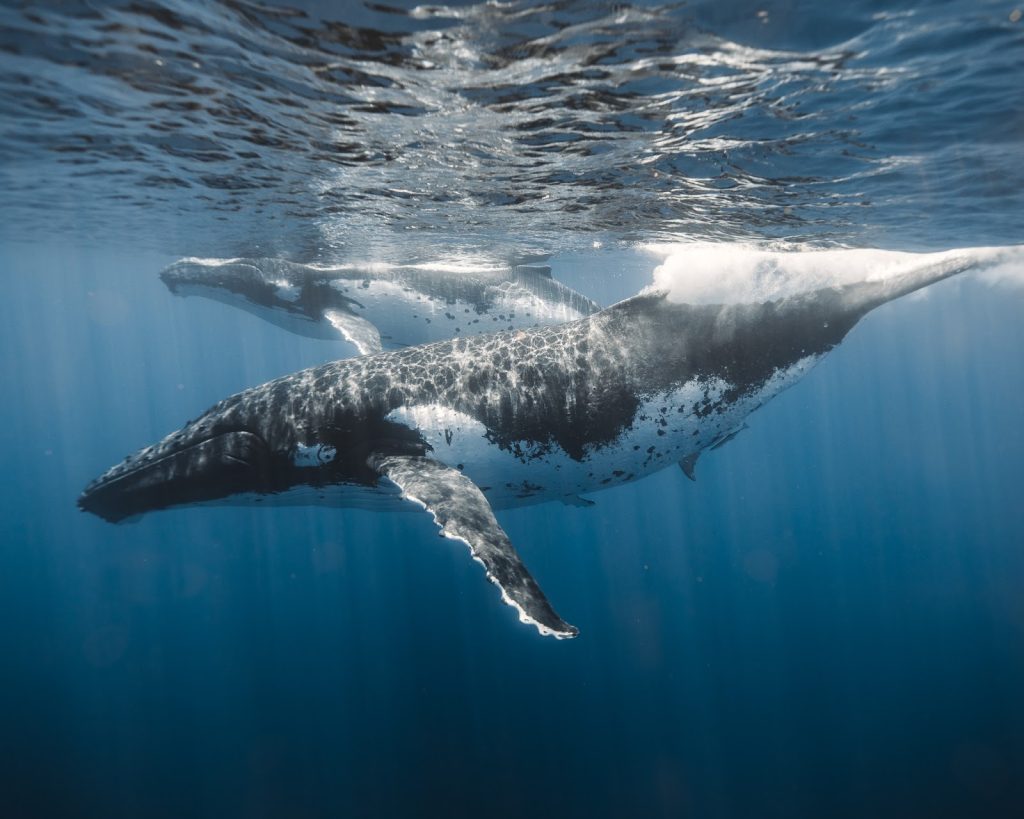
3. Do whales breach for fun?
Yes, sometimes they do.
Young whales breach more than adults. Calves breach repeatedly, often spinning mid air. There is no threat nearby. No mating behavior. No rival.
Play is a real part of whale life.
Scientists believe play helps calves build muscle, coordination, and social skills. It also strengthens the bond between mother and calf.
For travelers, these playful breaches often become the most emotional moments of a trip. Laughter breaks out on deck. Cameras drop. People forget to breathe.
It raises a fair question.
If whales can play, what else do we still not fully understand about their inner world?
4. Why do Whales Breach Near Boats?
This is one of the most common concerns. Whales do not breach because boats annoy them. In regulated waters like Hawaii, vessels must keep a distance and move slowly. Breaching near boats is usually a coincidence, not a reaction.
Whales surface where food, mates, or calm conditions exist. Boats also follow these areas. When a breach happens near a vessel, it feels personal. It feels targeted. In reality, the whale is responding to its environment, not the boat.
Our responsible private charters operate under these standards, reducing stress on whales while increasing safe viewing chances.
5. Body Maintenance and Parasite Removal
Whales carry barnacles, lice, and skin parasites. Breaching helps dislodge them. The force of hitting the water creates friction. That friction can remove dead skin and unwanted hitchhikers. This reason explains why whales breach even when alone.
This process is similar to how land animals rub against trees or roll in dust. The ocean does not offer many surfaces. Breaching becomes the solution.
In Hawaiian waters, where whales rest during migration, this kind of maintenance behavior becomes more visible. They are not rushing or feeding. They have time.
That calm is what whale watchers notice first.
6. Energy Release and Emotional Expression
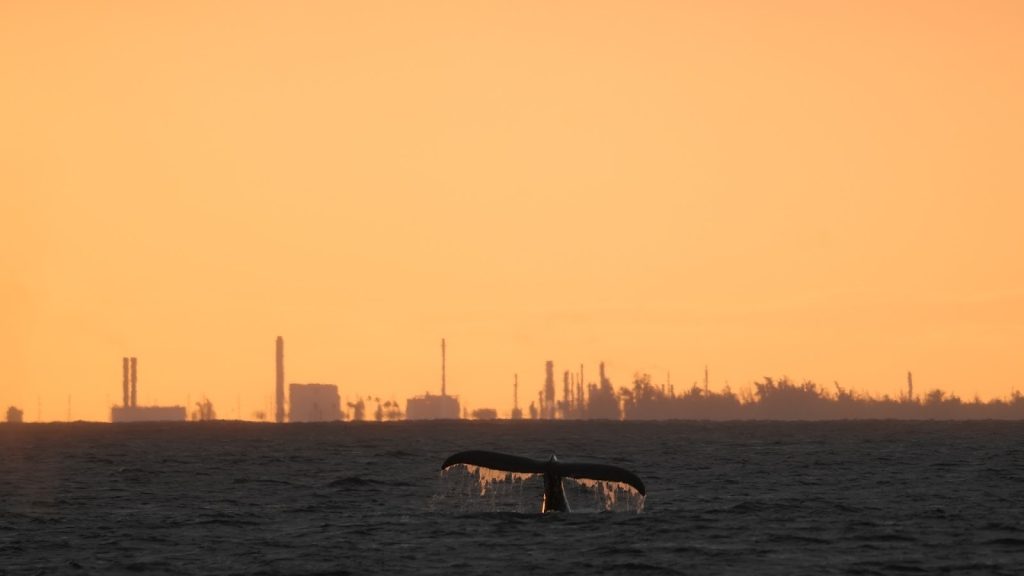
Whales store an enormous amount of energy. After long dives, social interactions, or tense moments, breaching may help release built up energy. Some researchers compare it to stretching after a long day.
There is also growing discussion around emotional expression. While science avoids projecting human feelings, repeated observations suggest whales react differently in different moods.
Agitated whales breach differently than relaxed ones. Playful breaches look different from competitive ones. Experienced guides can often tell the difference before a breach even happens. Changes in swim speed, tail movement, and body angle.
This is where guided tours shine. A trained crew does not just spot whales. They interpret behavior, helping guests understand what they are witnessing in real time.
7. Strength Training and Muscle Conditioning
A full breach uses massive muscle groups.
Launching a forty ton body out of water takes strength. Repeating it builds endurance. This matters for calves learning to survive long migrations. It also matters for adults preparing for mating displays or long journeys back to feeding grounds.
Breaching keeps whales strong. In Hawaii, many whales are resting between migrations. Light training through breaching may help maintain muscle tone without constant travel.
How to Increase Your Chances of Seeing Whale Breaching?
Whale breaching is one of those moments that cannot be forced or timed, but the right choices can gently tilt the odds in your favor. Knowing when to go, who to go with, and what to expect makes the experience calmer and far more rewarding.
While nothing is guaranteed, a few factors help.
- Travel during peak whale season in Hawaii.
- Choose morning tours with calmer seas.
- Pick operators focused on behavior, not speed.
- Stay patient. Whales decide the moment.
Why is Hawaii the Perfect Place to Witness Whale Breaching?
Hawaii sits along a major humpback migration route. Warm, shallow waters provide a safe space for calves. Visibility is high. Sea conditions are often calm. Whales linger. All these factors increase the chance of breaching.
This is why whale watching tours here focus on patience rather than chasing. Operators wait. They observe. They let whales decide. So when breaching happens, it feels earned.
Travelers who book well-planned tours, especially small group charters, often report more meaningful sightings with less crowd noise and better angles.
FAQs
Is it safe to see whales breach from boats?
Yes, provided the boats comply with marine guidelines. Licensed operators keep a safe distance from both whales and passengers.
What time of year is the best for whale breaching in Hawaii?
Usually, the peak whale season is during winter months, with the best chances of seeing breaching during calm conditions early in the morning.
Why do humpback whales breach frequently in comparison to other whales?
Humpback whales are very social and like to express themselves. Their shape is also much less cumbersome compared to that of a larger, heavier whale species, making breaching easier.
What makes Hawaii so famous for seeing whale breaches?
Hawaii’s warm, shallow waters provide a safe resting and breeding area for humpback whales, increasing visible surface behaviors like breaching.
