
Picture a massive humpback exploding out of the water, twisting mid-air before slamming back down in a wall of white spray. The whole boat erupts in cheers. Moments like that don’t happen year around. Timing your trip right turns a nice vacation into something unforgettable. Understanding whale season in Hawaii makes all the difference between spotting a distant spout and being surrounded by playful giants.
The Overall Whale Season in Hawaii
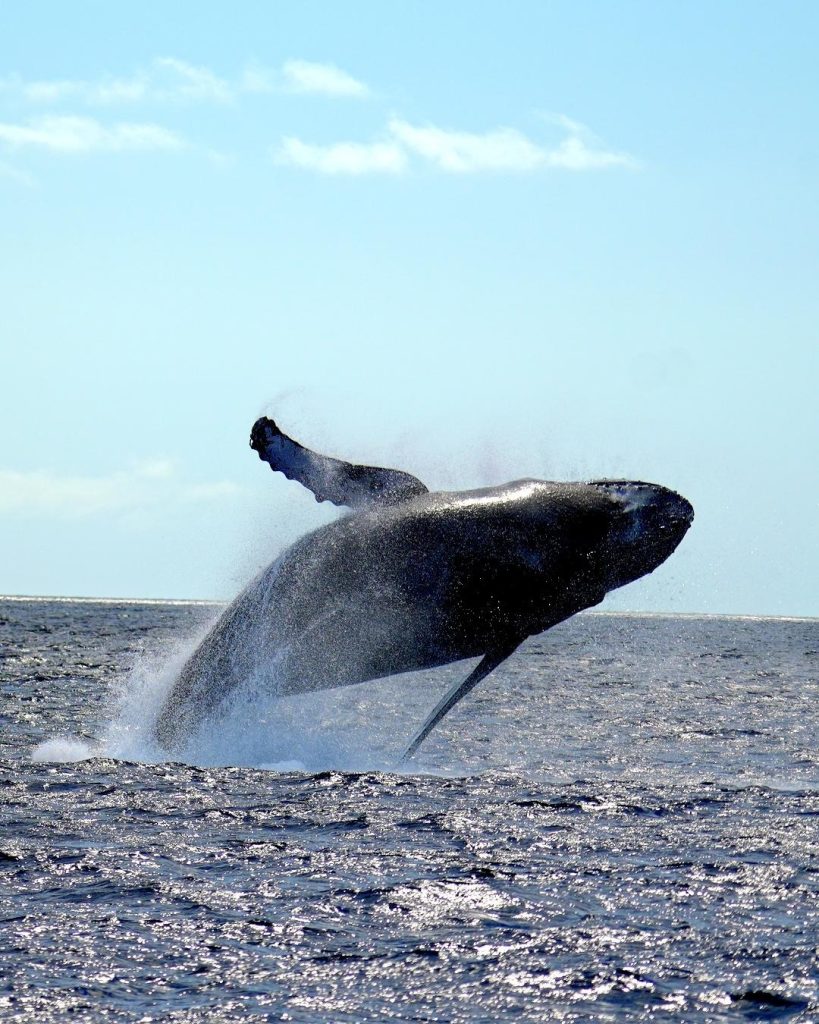
Whale season in Hawaii officially runs from November through May. Humpbacks travel more than 3,000 miles from Alaska to reach these warm waters every year. They arrive to mate, give birth, and raise calves in safety. Roughly 10,000 to 12,000 whales visit annually, making Hawaii one of the best places on earth to see them.
Early arrivals show up as scouts in November. Sightings become reliable by December. Things wind down slowly after April, with a few late departures into May. Planning around the full whale season in Hawaii helps avoid disappointment; book too early or too late, and encounters feel sparse.
Why January to March Stands Out as Peak Season
January through March delivers the heart of the action. Whale numbers hit their highest. Behaviors explode in variety. Conditions line up perfectly for viewing. This window creates that “whale soup” feeling people talk about; activity in every direction.
- Population peaks: Most adults have arrived by January. By January, most adults have arrived, and pregnant females that lingered longer in Alaska begin calving. Mothers and newborns join the mix, adding tender moments to the powerful displays.
- Diverse behaviors: Competition pods chase females. Males sing complex songs that echo underwater. Breaches, tail slaps, and pectoral fin waves happen constantly. Calves practice surfacing while mothers teach evasion tactics.
- Reliable sightings: Many operators guarantee sightings or offer free repeat tours during these months. Shore-based viewing from Oahu lookouts becomes rewarding, too.
February often feels the busiest overall. The overlap of arriving mothers, lingering males, and strengthening calves creates nonstop activity. March keeps the energy high while shifting toward family-focused scenes; perfect for witnessing teaching moments before the northward migration begins. Join the action with our reliable whale watching tours.
What Makes Oahu Special During January-March
Oahu combines urban convenience with incredible whale access. Tours depart right from Honolulu and Waikiki, meaning no long trips required. South and west shores light up during peak months.
Key advantages of Oahu:
- Proximity to town: Step off a tour and hit dinner or the beach immediately. Ideal for shorter trips or families.
- Varied viewing options: Boat tours get close, but elevated lookouts like Makapu’u Point or Halona Blowhole offer free shore sightings; binoculars help spot distant breaches.
- Frequent activity near shore: Channels and coastal currents funnel whales past Oahu regularly. Operators like Hawaii Ocean Charters run intimate trips that capitalize on this.
- Bonus marine life: Dolphin pods often join whale watches, adding extra excitement.
The weather cooperates beautifully from January through March. Trade winds stay steady but manageable. Skies tend to be clearer more often than in spring rainy periods. Calmer seas improve boat stability and underwater visibility for hydrophone listening.
Weather plays a quiet role.
Winter weather in Hawaii remains mild, but it does influence ocean conditions. January through March often bring cooler air temperatures and occasional rain. The ocean remains warm enough for whales but calmer in the areas they prefer.
This balance allows whales to conserve energy. It also keeps them closer to shore than during other parts of the season. The result is a stronger sense of presence around Oahu’s coastline.
While conditions can change day to day, this period offers the most stable combination of whale activity and ocean behavior. That stability supports longer stays and more consistent sightings.
A seasonal experience that feels emotional
There is something about witnessing a natural cycle at its peak that stays with people. Not because it is loud or dramatic, but because it feels honest.
Whales arrive in Hawaii with a purpose. They leave when that purpose is fulfilled. January through March sit right in the middle of that journey.
During this time, the ocean around Oahu does not feel like a backdrop. It feels like an active participant. The whales are not hidden. They are present. They are visible. They are engaged with their environment.
This emotional depth is why these months carry so much meaning. It is not about checking a box. It is about understanding why whale season in Hawaii is a once in a lifetime experience.
How Whale Behaviors Change Month by Month
January: The Build-Up
Adult males dominate early. Courtship heats up. Competition pods form and race across the surface. First calves appear mid-to-late month. Energy feels raw and intense.
February: Absolute Peak
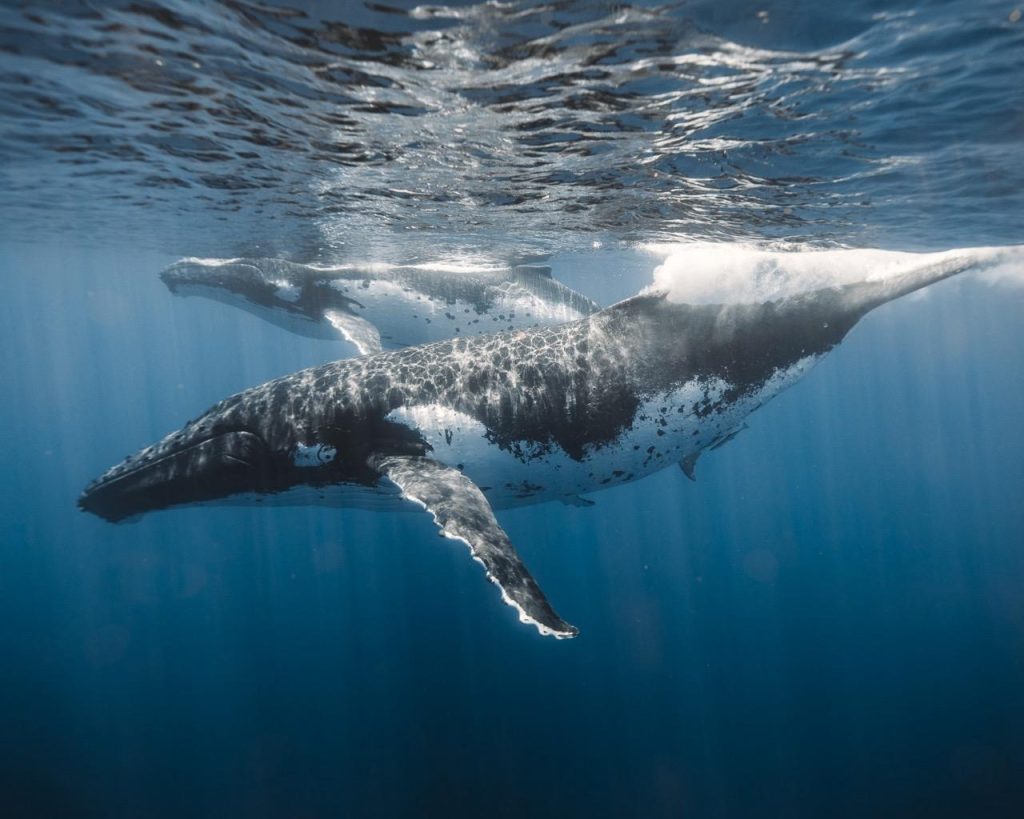
Maximum numbers create constant action. Songs ring out strongest. Breaches happen frequently; males showing off or releasing energy. Mother-calf pairs become common, escorted by protective males. This month delivers the classic “wow” moments most visitors dream about.
March: Family Focus
Newly pregnant females start heading north. Remaining mothers teach calves essential skills. Playful juveniles test breaches. Escorts linger around pairs. Activity stays abundant but shifts toward nurturing scenes.
Comparing Oahu to the Neighbor Islands
Maui hosts the densest concentrations in shallow channels perfect for calving. The Big Island offers dramatic backdrop views against volcanoes. Oahu shines for accessibility and reliable close encounters along populated coasts. During January-March, all islands deliver, but Oahu makes combining whale watching with other activities easiest.
Tips for Planning Around Peak Season
- Book tours early; popular departures fill fast in February, especially.
- Check operator policies; many guarantee sightings January through March.
- Pack layers; mornings start cool, afternoons warm quickly.
- Consider morning tours for calmer seas and active whales.
- Bring binoculars for shore viewing between boat trips.
Conservation and respect during peak season
Conservation plays a huge role. The Hawaiian Islands Humpback Whale National Marine Sanctuary protects these waters. Boats maintain 100-yard distances. Responsible viewing helps the population continue recovering from near-extinction.
Peak whale months also require greater awareness. Humpback whales are protected under federal law. Maintaining distance and respecting their space is essential.
January through March brings increased activity, which also means increased responsibility. Boats, swimmers, and observers must allow whales to behave naturally without interference.
Oahu takes this seriously. Local regulations and education help ensure that whales can continue using these waters safely year after year.
This respect is part of what makes whale season in Hawaii sustainable. It allows the experience to remain powerful without becoming harmful.
Why the season feels different every year
Even though the timing remains consistent, no two whale seasons are exactly alike. Ocean temperatures shift. Migration timing varies slightly. Individual whales return or do not.
What stays constant is the importance of January through March. These months reliably hold the highest concentration of whales and the widest range of behaviors.
That reliability does not make the experience predictable. It makes it meaningful. Each season builds on the last while remaining entirely its own.
This is why people return again and again during whale season in Hawaii. The story changes, but the heart stays the same.
The deeper reason January to March stands out
At its core, this season is about life continuing. Whales arrive to create new generations. Calves grow stronger. Mothers guide. Adults prepare to leave.
January to March captures all of that at once. It is not the beginning or the end. It is the living center.
Oahu becomes a place where that life unfolds in clear view. Not rushed. Not hidden. Just a present.
And that is why these months are not simply popular. They are special.
Secure your spot on our private charters for the best experience.
FAQs
What are the exact peak months for whale watching in Hawaii?
January through March, with February often delivering the highest number of whales and most active behaviors.
Why do humpback whales come specifically to Hawaiian waters?
They migrate to warm, shallow, protected areas ideal for mating, giving birth, and nursing calves away from cold feeding grounds and predators.
Is shore-based whale watching effective on Oahu during peak season?
Yes, lookouts like Makapu’u Point and Halona Blowhole frequently offer clear views of spouts, breaches, and traveling pods from January to March.
See Whale Season the Way It’s Meant to Be Seen
Whale season on Oahu is short, and those January to March weeks don’t come back once they pass. Watching humpback whales in their natural home feels very different when the experience is calm, well guided, and respectful to the ocean. Hawaii Ocean Charters focuses on small group trips, experienced local crews, and routes chosen specifically for peak whale activity. That means more time watching, less time waiting, and a safer, more comfortable ride on the water. If whale season in Hawaii is already calling, this is the kind of experience that turns a good trip into a memory that stays long after the shore is out of sight.
