
So here’s the thing nobody tells you about whale watching in Hawaii until you’re already out there: the ocean is a completely different beast than the beach.
You Know How It Goes. The Hotel Pool Is Gorgeous, The Weather Is 85 Degrees, And Everyone’s Walking Around In Swimsuits. Then You Book That Whale Watching Tour And Figure, Hey, It’s Hawaii, Right? How Cold Could It Possibly Get?
Turns out… cold. Not Alaska cold, obviously, but that wind coming off the water when the boat’s moving? Combine it with ocean spray and sit still for two hours? Yeah, you’re gonna want a sweater.
Let’s talk about what to wear whale watching so the only goosebumps you get are from the whales, not the weather.
Think In Layers, Not Outfits.
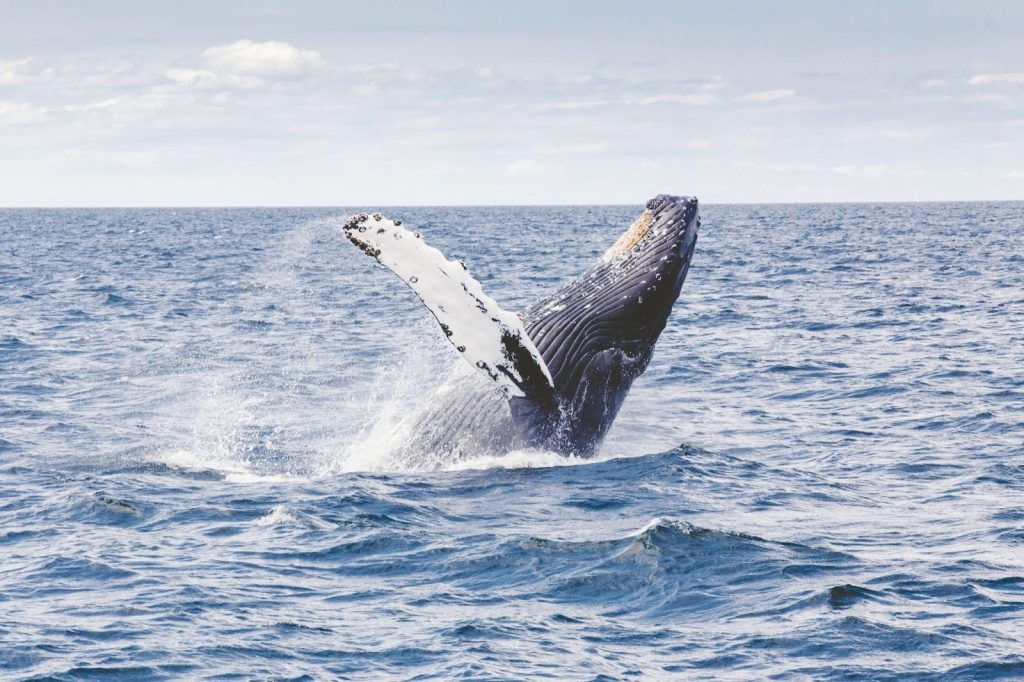
The ocean has its own mood swings.
It can be warm and still near the harbor, cooler and windy in open water, then suddenly hot again when the clouds pass by. Dressing for a fixed temperature does not work here. Dressing in layers does.
Start by seeing everything as stackable:
- Something next to your skin that dries fast
- Something lightweight that adds a bit of warmth and sun coverage
- Something thin on top that blocks wind and spray
This way, you can peel things off or throw them back on in seconds instead of spending the whole trip either shivering or sweating. That simple mental shift is the foundation of smart planning for what to wear whale watching.
Stay comfortable through changing conditions on our guided whale watching tours.
Base Layer: Quick-Dry And Ocean-Friendly
Clothes that stay wet will ruin a good trip.
Out on the water, there is almost always some spray. Maybe a bit of rain. Maybe a wave hits the bow just right. When fabric holds that water, every gust of wind feels colder, and that chill sits against your skin.
For the base layer, fabrics that are lightweight and quick drying work best for both tops and bottoms. Swimwear underneath is helpful because it makes getting splashed no big deal. Cotton gets heavy, clings to the skin, and won’t dry until you’re back ashore. That’s why lightweight shorts or quick‑dry pants feel much more comfortable when they get wet.
Thinking about what to wear whale watching from the skin outward sets you up to handle surprises without feeling miserable the moment the deck gets wet.
Middle Layer: Warmth Without Bulk
The next layer is all about taking the edge off the wind without making you feel wrapped in a blanket.
Out at sea, the apparent temperature is usually cooler than what the weather app shows for the shore. Boat speed adds its own wind chill. A thin long sleeve shirt or sun hoodie made from moisture wicking fabric gives just enough insulation while still breathing well when the sun pops out.
Covering arms also protects skin from UV, which is stronger on the water because of reflection from the surface. Lightweight full length pants are a good call for people who get cold easily, especially when seated on a cooler bench or leaning against metal railings. The key is flexibility. You want to be able to move freely when the captain calls out a whale on the other side of the boat, and everyone shifts over at once.
This middle layer is the quiet hero in the whole whale watching plan. Not dramatic. Just doing the work all day.
Outer Layer: Wind And Spray Shield
This is the piece most people regret not bringing.
Even in Hawaii, a moving boat can make warm air feel surprisingly sharp, especially on morning tours or breezy afternoons. Add in the occasional splash over the bow or passing shower, and an outer layer becomes the difference between “this is amazing” and “this is freezing.”
A light, packable jacket that blocks wind and resists water is ideal. It does not need heavy insulation. Just enough structure to keep the breeze from cutting through and to shed spray so the inner layers stay dry. A zipper is important so it can be opened quickly when you warm up, and a hood is a bonus when the wind starts lifting droplets from every wave.
Once that outer shell is zipped up and you are watching a whale surface in front of you, the decision about what to wear whale watching suddenly feels very smart.
Prepare perfectly for our private whale watching charters where spray and breezes are common.
Footwear: Grip Beats Fashion
Boat decks move. They get wet. Sometimes they tilt more than expected when a wave hits at an angle.
Footwear needs to work with that, not against it. Shoes or sandals with secure straps and non-slip soles keep you stable when walking across wet fiberglass or climbing a short ladder. Loose flip flops that slide around or stiff, slick soles make life harder and can be unsafe on a rolling deck.
Many Hawaii boats also ask guests to go barefoot once on board, which is easier if footwear is simple to take on and off. Good grip matters on the short walk down the dock, and once on board, the deck should feel comfortable for bare feet. Metal surfaces and shaded areas can feel cooler than expected when a breeze hits, so being able to slip shoes back on quickly as you return to the harbor is a nice detail.
Sun Protection: Above, Below, And Reflected
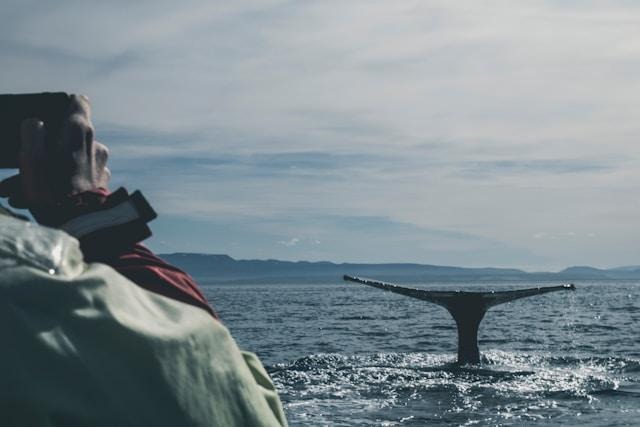
The sun over the Pacific is no joke.
Out on open water, it hits from above and reflects off the surface, which quietly doubles the exposure to skin and eyes. Without a plan, people often end the trip with burnt noses, cheeks, and the tops of feet they forgot to cover.
Clothing helps a lot here. Long sleeve tops with UPF ratings shield arms and shoulders without needing endless sunscreen reapplications. A wide-brimmed hat or a snug cap protects the face and scalp while also keeping hair out of the eyes when the wind picks up. Sunglasses with UV protection reduce glare and strain when scanning the horizon for blows and breaches.
For exposed areas, reef‑safe sunscreen not only keeps skin and Hawaiian waters healthier, it’s also required by law. Hawaii bans sunscreens with harmful chemicals like oxybenzone and octinoxate, so using reef‑safe options is both environmentally responsible and legally compliant; especially on charters focused on marine life.
Hands, Neck, And Small Comfort Fixes
Once the main outfit is dialed in, a few small add-ons can make the whole experience smoother.
A light neck gaiter or scarf can be pulled up for wind or sun, then dropped down when the air warms. A compact microfiber towel in a small bag is useful for wiping spray off seats or drying off quickly after a big splash.
People who run cold often appreciate thin gloves when the boat is at full speed, and hands are resting on metal railings. Those surfaces can feel chilly when wind and water combine, even in the tropics. None of these items takes up much space, but together they round out the answer to what to wear whale watching in a very practical way.
Keep It Flexible, Keep It Light.
The ocean does not follow a strict script.
A tour can start with calm seas and soft light, then shift to whitecaps and bright sun, then settle into a gentle return back to port. Comfort comes from being able to adjust quickly without juggling a huge pile of gear.
Light layers that pack down small in a day bag work better than one heavy item. Things that can be tied around the waist, stuffed into a backpack, or shrugged on in a few seconds are the sweet spot. And fabrics that handle water well keep you focused on whales instead of damp cuffs or soggy shorts.
When all this comes together, what to wear whale watching stops being an afterthought and becomes part of what makes the trip actually relaxing. People pay attention to the sound of the blow, the curve of the tail, the mist hanging in the air, not to the chill settling into their shoulders.
Book your comfortable adventure today via our tours page.
Frequently Asked Questions
Do I really need a jacket for whale watching in Hawaii?
Yes, wind from boat speed chills quickly, even in warm air. Light, packable windbreaker handles it without bulk.
Will I get wet on a Hawaii whale watch tour?
Often, especially smaller boats. Spray from waves or whales is common. Water-resistant layers and quick-dry clothes keep it manageable.
What’s the best hat for whale watching?
Wide-brim or bucket with chin strap; blocks sun, stays on in wind. Loose caps often end up in the ocean.
Plan Your Whale Watching Day with Locals Who Know the Ocean
If you’re heading out to see Hawaii’s whales, go with people who really know these waters. Hawaii Ocean Charters keeps things simple, safe, and fun; no stress, no crowds, just honest ocean time. Their crew knows how to find the calm spots, read the wind, and make sure everyone’s comfortable while the whales put on their show. Dress right, bring your curiosity, and let their team handle the rest. It’s the kind of day that stays with you long after you’ve left the boat.
