
On a short ocean cruise, coffee still warm in your hand, the captain powers down the engine and the water falls silent. Just soft waves and wind. Then… WHOOSH. A mountain of black and white explodes out of the water twenty yards away.
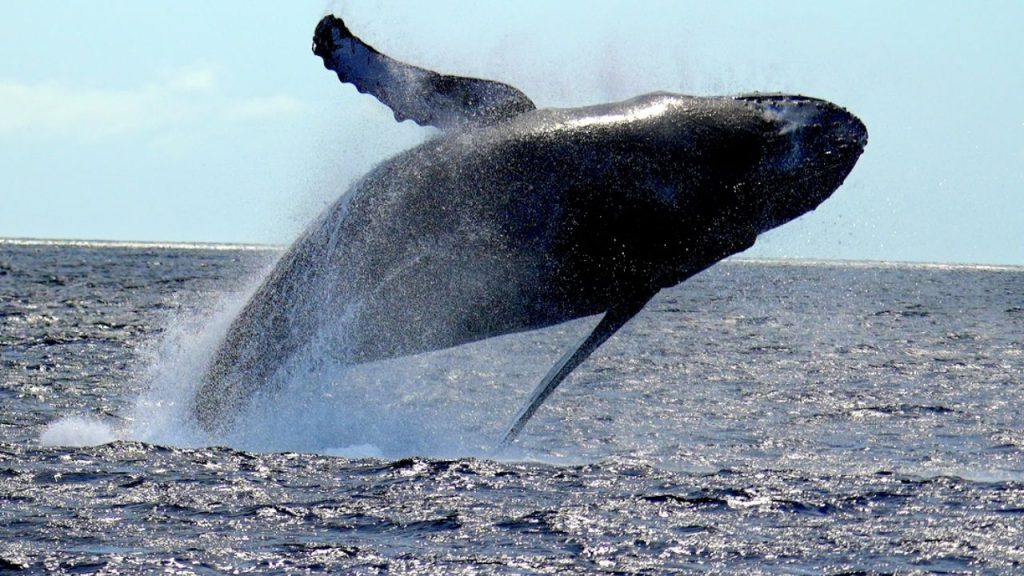
A forty-ton humpback launches clear into the air, twists, and crashes back down like the ocean itself just applauded. Everyone on board gasps at once. Phones come up late; the moment’s already burned into memory. Goosebumps. Tears for some. Total awe for everyone.
That scene? It doesn’t happen by accident. It happens because someone chose Oahu in January. And once you understand why January turns Hawaii’s waters into the greatest whale show on earth, you’ll never plan a winter trip any other way.
Why January Is Literally Peak Humpback Season on Oahu
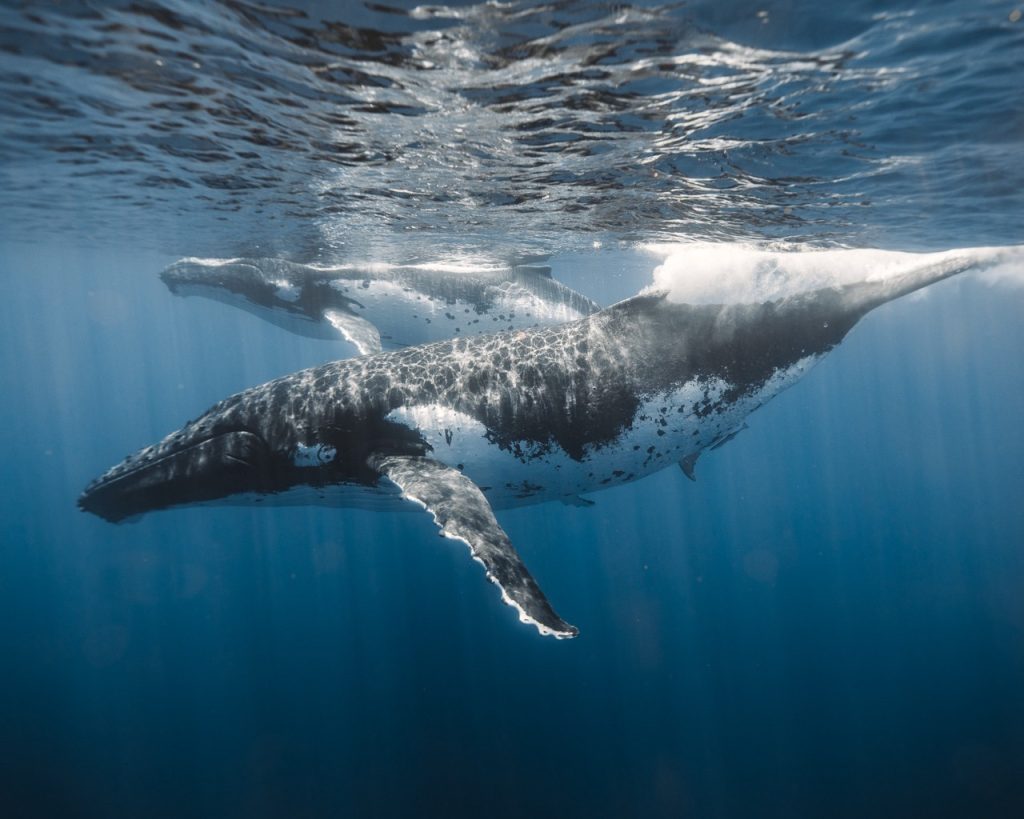
Every year, roughly 10,000–12,000 North Pacific humpback whales leave the cold feeding grounds of Alaska and migrate 3,000 miles south to Hawaii. They arrive pregnant, looking for warm water to give birth in. Shallow water to teach newborns how to breathe, breach, and survive. The peak of that migration slams right into Oahu in January and runs through early March.
Water temperatures hover in the mid-70s (bathwater for whales, perfect for calves).
The Auau Channel between Oahu, Maui, and Lanai becomes a giant nursery.
Adult males turn the ocean into an open-air concert hall with songs that travel for miles.
Competition pods (groups of males chasing a single female) put on acrobatic shows that look like National Geographic on steroids.
Research vessels and citizen-science counts consistently show the highest sighting rates between December 26 and February 15, with January holding the absolute crown on our Oahu whale watching tours.
The Types of Whale Watching Tours That Are Actually Worth Booking on Oahu
Not all boats are created equal when you’re chasing forty-foot athletes that can disappear in seconds.
1. Small-Group Rafts (12–20 passengers max)
These low-to-the-water Zodiac-style boats get you eye-level with the action. When a whale surfaces five feet away, you feel the mist and hear the blow. Captains can pivot instantly to follow a breaching competition pod instead of sticking to a rigid route. Motion is livelier, but the intimacy is unmatched.
2. Mid-Size Catamarans (30–50 guests)
Stable, shaded decks, onboard restrooms, and smoother rides for anyone prone to seasickness. These boats cover more ground quickly, increasing the chances of finding active pods farther offshore.
3. Private Charters (6–20 of your own people)
Want the boat to yourself? Sunrise departures, custom routes, stop for snorkeling with turtles after the whales calm down, even bring the dog? Private charters let you write the day with custom whale watching charters tailored for January. January books fast, but the flexibility is priceless when a mother and calf decide to hang out for an hour.
4. Sunset Whale Watches
The light turns golden, the water glassy, and the whales keep breaching like they’re showing off for the camera. Many companies add pupus (appetizers) and an open bar. Perfect for couples or celebration trips.
The light turns golden, the water glassy, and the whales keep breaching like they’re showing off for the camera on our sunset whale watching cruises.
What Actually Happens on a Quality January Whale Watch
Board around 7–8 a.m. (whales are most active early).
The captain and naturalist brief everyone on regulations (100-yard minimum distance) and whale body language.
Cruise out of the harbor while the crew scans 360 degrees.
First sighting is usually within 20–40 minutes (January is that good).
The boat slows or stops completely when whales approach
You watch mothers teaching calves to breach, males tail-slapping in competition, pectoral fin waves that feel like the whale is saying hello.
Hydrophone songs fill the speakers; some boats play them so loud the deck vibrates.
Two to three hours fly by in pure wonder.
Why Oahu Beats Every Other Island in January (Yes, Including Maui)
Maui gets the marketing, but Oahu quietly wins the actual whale game:
- Protected south-shore waters stay calmer when trade winds blow (Maui’s north shore can get choppy).
- Multiple departure harbors (Waianae, Ko Olina, Honolulu) mean captains pick the leeward side with the best conditions that day.
- Whale density is statistically higher off Oahu’s Waianae coast and Penguin Bank.
- Shorter cruise times (most tours 2–3 hours versus 4–5 from Lahaina).
- Easy to combine with a city stay (no inter-island flights needed).
Weather & Ocean Conditions That Make January Magic
Air temps 75–82 °F. Water 74–76 °F.
Trade winds lighten in winter, creating glass-calm mornings.
Rain showers are brief and usually over the mountains, not the whale grounds.
Sunrise at 7:10 a.m. and sunset around 6:15 p.m. give long, beautiful light windows.
What to Bring (and What to Leave at the Hotel)
Bring:
- Soft-soled shoes or reef-safe sandals
- Light jacket (it’s cooler on the water at speed)
- A camera with zoom or a good phone in a waterproof case
- Sunglasses and hat (glare is intense)
- Reusable water bottle (most boats provide refills)
- Motion-sickness meds just in case (even if you’ve never needed them)
Leave behind:
- Big purses or hard cases
- Drones (illegal within 100 yards of whales)
- Expectations of petting them (respect the 100-yard rule)
Kids, Motion Sickness, and Making Sure Everyone Loves It
January seas are typically gentle, but kids under 4 and pregnant guests sometimes skip the smaller rafts. Catamarans with shaded seating and restrooms make family trips easy. Naturalists love questions; kids come back knowing more about whales than most adults.
Booking Tips So You Don’t Miss the Peak Season
- Book at least 4–6 weeks out (January sells out every year).
- Choose morning tours (whales are most active 8 a.m.–noon).
- Ask about sighting guarantees (many companies offer a free repeat trip if zero whales).
- Check cancellation policies (weather happens, even in paradise).
- Look for tours with onboard marine naturalists (the stories make the difference).
The Moment You’ll Never Forget
Almost every January trip has it: a whale surfaces right beside the boat, lifts its massive head, and seems to look straight at you. Time stops. You can see barnacles, count barnacles, and see water streaming off the blowhole. Then it exhales (loud enough to rattle your chest) and slips back under. The naturalist whispers, “That’s a spy-hop. They’re curious about us, too.” And in that shared silence with strangers who suddenly feel like family, you understand: Oahu in January isn’t just a vacation. It’s a front-row seat to one of nature’s greatest migrations.
Ready to trade snow boots for whale spouts? Hawaii Ocean Charters runs the most passionate, small-group, and private whale watching tours off Oahu’s west side (where the action is thickest in January)
Lock in your date at hawaiioceancharters.com and give yourself the kind of memory that still gives goosebumps years from now. Because in some moments you don’t watch it on TV. You leave them, salt spray on your face and all.
Book Your Humpback Adventure With Hawaii Ocean Charters
January’s humpback season is happening right now, and we’re ready to show you why our whale watching tours stand apart from the rest. Hawaii Ocean Charters experienced captains know exactly where to find the whales, and our smaller group sizes mean you’ll actually get great views instead of fighting crowds on oversized boats. We don’t just drive you around the ocean.
We educate you about what you’re seeing, answer all your questions, and position our vessel for the most incredible encounters while respecting these magnificent animals. Our tours run long enough that you’re not rushed, giving the whales time to reveal their behaviors naturally.
We’ve built our reputation on delivering unforgettable experiences, and we back that up with knowledgeable crew members who genuinely love what they do. Don’t settle for a mediocre whale watching trip when you’re in Oahu. Book with us and see why our guests leave talking about their tour as the best part of their entire Hawaiian vacation.
