
The Hawaii packing list for beach lovers is simple. Just pack light, stay sun-safe, and get ready to enjoy long hours outdoors, where the ocean takes center stage with every plan involving activities, not the hotel room. The beauty of Hawaii’s beaches dazzles one eye, but the sun is more brutal than most travelers anticipate, shifting conditions faster than a postcard’s sharp image. Knowing what matters helps you steer away from discomforts, wastage, and missed experiences.
This guide is for those looking for honest, straightforward, and practical advice. No fluff, no panic buying- just what is really needed to make beach days a little easier, more secure, and way more enjoyable, whether alone, travelling with family, or organizing water-related experiences like boat tours or snorkeling excursions.
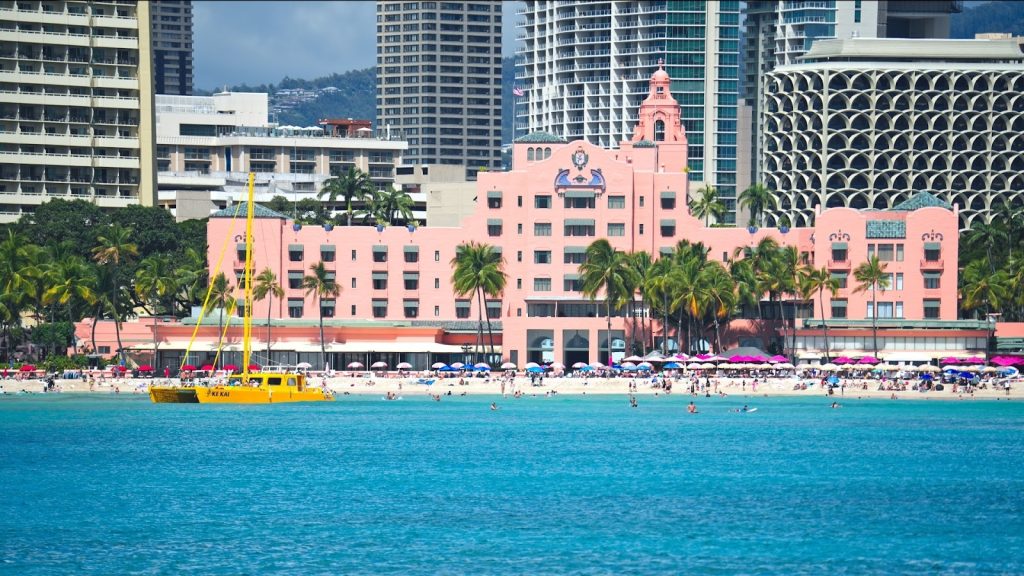
Why Sun Safety Comes First in Hawaii?
Hawaii is much closer to the equator than most continental destinations. That means that the UV exposure is intense, even on cloudy days. Many travelers underestimate this and learn through painful experiences after the first beach afternoon. Sun safety is not about fear; it is about comfort and freedom. When skin burns, plans shrink. When hydration drops, energy disappears.
With proper preparation, the beach lover gets to spend more time swimming, walking on the shoreline, and exploring the offshore experience than hiding under umbrellas or searching for aloe. As far as adventure lovers go, our private charters are the way to go.
This Hawaii packing list focuses on protection that feels lightweight, practical, and natural.
1. Reef-Safe Sunscreen That Actually Works
In Hawaii, sunscreen becomes part of your packing list. But it has to be void of oxybenzone and octinoxate, as these chemicals are known to harm coral reefs. Although they are not fully banned for tourists, it is advisable to go for the safer options. Reef-safe sunscreen protects marine life while still protecting humans from harmful UV rays.
Things to Check Before Making a Purchase:
- Labeled as “reef-safe” or “mineral sunscreen”
- SPF 30 or higher
- Water-resistant
- Free of scent for sensitive skin
2. Lightweight UV-Protective Clothing
True protection from the sun does not just imply the application of sunscreen. Long-sleeved UV shirts are most popular on Hawaii beaches. Locals swear that these garments are more comfortable when wet.
UV clothing matters even more during snorkeling, paddleboarding, or boat trips where reflection from the water doubles sun exposure. Many travelers discover this during guided ocean tours, especially longer ones.
Look for:
- UPF 30 or higher
- Breathable, quick-dry fabric
- Long sleeves for water activities
- Neutral colors that reflect heat
For families, this is a quiet hero item on a Hawaii packing list family travelers trust, especially for kids who hate reapplying sunscreen.
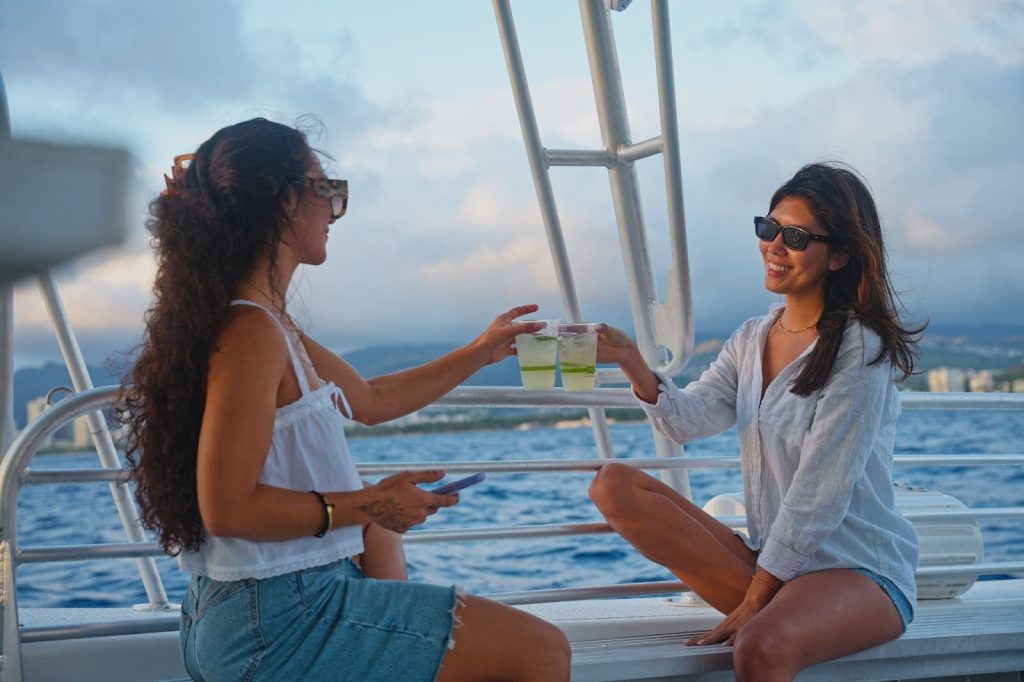
3. Wide-Brim Hat That Survives the Wind
Baseball caps help, but they do not protect ears, neck, or face sides. A wide-brim hat offers real coverage and reduces direct sun exposure during long beach walks or boat rides.
Wind matters in Hawaii. Beaches, cliffs, and open water get breezy. A hat with an adjustable strap or internal band stays secure when conditions change.
A practical beach hat should:
- Shade the face, ears, and neck
- Be packable without losing shape
- Stay on during wind or boat movement
This single item often decides whether afternoons feel relaxing or exhausting.
4. Polarized Sunglasses with Real UV Protection
Bright water, white sand, and strong sunlight strain the eyes quickly. Polarized sunglasses reduce glare and help spot fish, coral, and ocean movement more clearly.
This becomes especially valuable during snorkeling, whale watching seasons, or coastal cruises, where visual clarity adds to the experience. Many guided ocean tours recommend polarized lenses for comfort and safety.
Before packing:
- Ensure UV400 protection
- Choose polarized lenses
- Avoid cheap novelty sunglasses
Eye fatigue can ruin long days faster than sore feet.
5. Refillable Water Bottle for Constant Hydration
Dehydration sneaks up fast in Hawaii. The breeze feels cool, but the sun drains fluids quietly. Beach lovers who hydrate well last longer and recover faster.
A refillable water bottle supports hydration while reducing plastic waste. Many beaches, hotels, and tour operators provide refill stations.
Helpful features:
- Insulated to keep water cool
- Leak-proof lid
- Easy carry handle or clip
This is especially important for families managing kids’ energy levels throughout the day.
6. Water Shoes for Rocky Shores and Reefs
Hawaii’s beaches are not all soft sand. Lava rock, coral fragments, and sea urchins are common in snorkeling areas. Water shoes protect feet without limiting movement.
They also help when boarding boats, wading into the ocean, or exploring tide pools. Many snorkeling tours expect guests to bring or rent water shoes for safety.
Choose pairs that:
- Fit snugly
- Dry quickly
- Have a good grip on wet rock
For beach lovers who want freedom to explore, this item removes hesitation.
7. Microfiber Towel That Dries Fast
Hotel towels are bulky and slow to dry. A microfiber beach towel dries quickly, packs small, and stays lightweight even when damp.
This matters for travelers moving between beaches or joining tours where space is limited. Compact gear keeps bags manageable and stress low.
Good towels should:
- Absorb water quickly
- Dry within an hour in sun
- Fold down small
It seems minor until it saves you space.
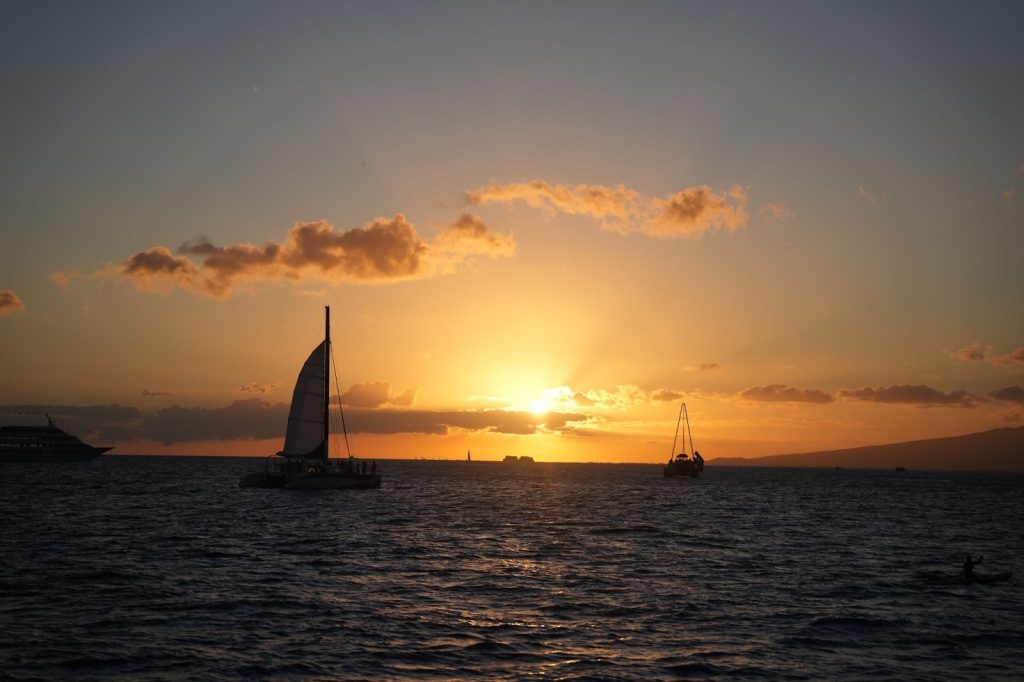
8. Small Dry Bag for Ocean Activities
Ocean days involve splashes, spray, and surprise waves. A small dry bag keeps phones, wallets, keys, and sunscreen protected.
Dry bags are useful during snorkeling trips, boat tours, and coastal adventures. Many ocean charters encourage guests to bring one for peace of mind, particularly when exploring open water.
Look for:
- Roll-top closure
- 5–10 litre capacity
- Shoulder strap for easy carry
This single item prevents expensive mistakes.
9. After-Sun Care That Soothes, Not Stings
Even careful travelers catch the sun. After-sun care helps skin recover overnight and stay comfortable for the next day.
Aloe vera gel or lotion with cooling ingredients reduces redness and tightness. Avoid products with alcohol, which dry skin further.
Pack:
- Aloe-based gel
- Lightweight moisturizer
- Lip balm with SPF
This is especially important for beach lovers planning consecutive outdoor days.
10. Simple Beach Bag That Handles Sand and Salt
A good beach bag holds everything without becoming a burden. Mesh or washable fabric works best. Zippers keep items secure, but open designs allow sand to fall out easily.
A beach bag should:
- Rinse clean
- Fit towels, water, sunscreen
- Carry comfortably over the shoulder
It becomes the daily basecamp for all beach plans.
Why Does Good Packing Make Your Trip Better?
Packing well isn’t about being overprepared, but about being free to choose your day without limits. When you have the right reef-safe sunscreen, protective clothing, hydration tools, and simple gear like dry bags, every spontaneous idea (beach picnics to sunrise swims) becomes easier.
This mindset matters when planning the experiences that make Hawaii unforgettable. Imagine spending a morning snorkeling vibrant reefs, then joining a guided ocean tour in the afternoon without worrying about sunburn, soggy gear, or tired little feet. That’s the kind of freedom a smart packing list delivers.
With a solid Hawaii packing list behind you and experiences like those offered by us at Hawaii Ocean Charters, your time in Hawaii becomes less about logistics and confusion and more about joy and experience.
FAQs
Should I pack beach essentials or buy them in Hawaii?
It is better to pack beach essentials because it is more economical. Sunscreens, water shoes, and UV clothing tend to be a lot pricier once you are at the island.
Can a well-thought-out Hawaii packing list really affect the trip experience?
Of course, a good Hawaii packing list limits inconvenience and helps avoid sun fatigue while allowing arrangements for enjoying beaches, touring, and having impromptu outdoor fun.
Are UV protective clothes required in Hawaii?
Yes, clothing with UV protection decreases exposure to sunshine in Hawaii’s extremely bright light. That’s significant in snorkeling, beach walks, and boat trips, where reflected rays increase the intensity of ultraviolet exposure.
Are water shoes necessary on Hawaiian shores?
Water shoes are necessary for many Hawaiian coastlines, containing rocky shorelines and coral regions or areas of ancient lava rock. They also protect the feet while snorkeling and tide pool hunting.
