
Finding the best snorkeling in Oahu is about going where there is calm water, healthy reefs, and knowing exactly where to go before the crowds arrive. Most travelers land on Oahu with a simple goal: to float above clear reefs, watch colorful fish, and maybe spot a turtle or two. But Oahu is a busy island, and not every beach offers the same underwater magic. Choosing the right spot can make the difference between a crowded, murky experience and a serene, memorable encounter with marine life.
For first-timers, winter visitors, or families, questions pile up quickly: Which beaches are safest? Are there less-crowded alternatives to Hanauma Bay? Do you need a guide or private charter to truly see the reefs? And what about seasonal surprises, like humpback whales breaching just offshore? This guide answers those questions honestly and practically.
By the end, you’ll know exactly where to go, what to see, and how to plan a snorkeling adventure that’s calm, safe, and unforgettable. You will also understand why some spots remain crowd favorites while others stay hidden gems.
Why Oahu Snorkeling Feels Different From Other Islands?
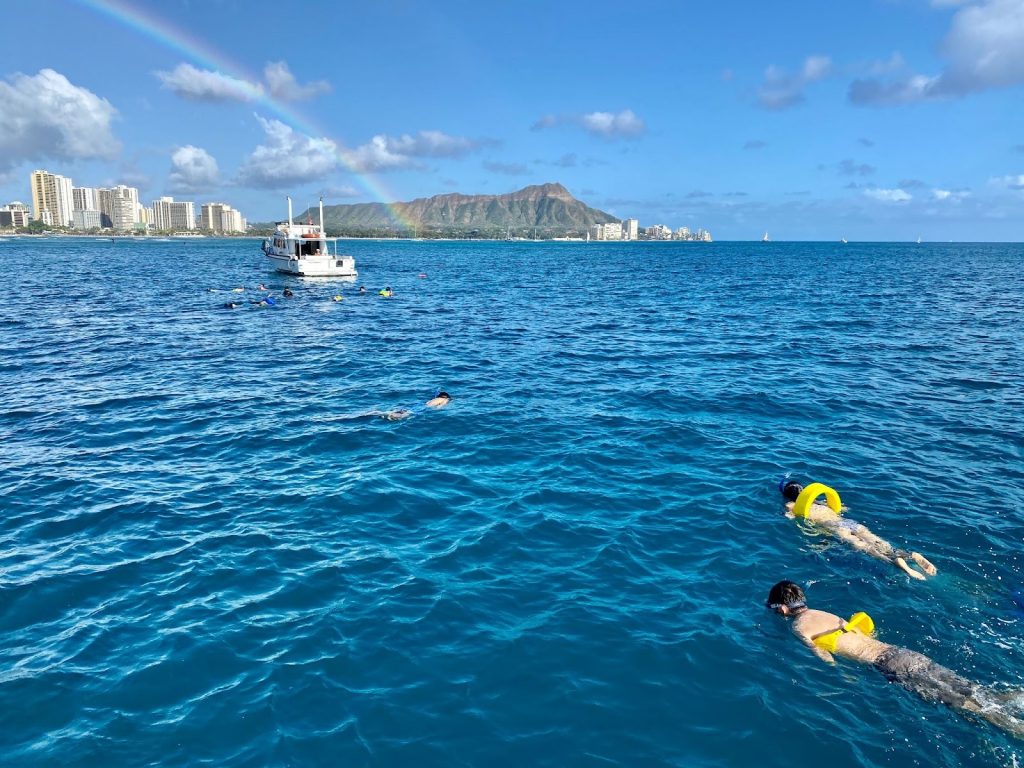
Oahu is a busy city on land. Underwater, it often feels quiet and personal. The island has sheltered coves, reef shelves close to shore, and strong ocean life year-round. The key reason snorkeling works so well here is geography. Reefs sit close to beaches, not miles offshore. That means less effort and more time watching fish instead of fighting waves.
When the reef is near shore, beginners relax faster. And when people relax, they see more.
Best Snorkeling Oahu Spots Most Travelers Love
Some places earn their reputation for a reason. These spots deliver clear water, easy access, and a good chance of seeing turtles. Some of them include:
Hanauma Bay Snorkeling
Hanauma Bay snorkeling remains the most famous option on the island. The bay is a protected marine reserve, shaped like a natural bowl. The reef starts shallow and fish gather close to shore. Even nervous swimmers usually feel at ease here.
A few things matter before you go:
- Entry requires advance reservations
- Mornings offer the calmest water
- Reef shoes help on rocky entry points
Many visitors ask if Hanauma Bay is still worth it. The answer is yes, if planned well. Early access makes a big difference.
Shark’s Cove on the North Shore
Shark’s Cove looks rough from land, but summer reveals a different story. Lava rock walls block waves and create tide pools full of life.
This spot feels genuine and local. You see octopus, reef fish, and sometimes eels tucked into rock gaps. Winter changes everything here. Strong swells make snorkeling unsafe most days.
Electric Beach on the West Coast
Electric Beach earns its name from warm water flowing offshore. That warmth attracts fish year-round. Snorkeling here feels adventurous and the visibility here often surprises first-timers.
However, it’s important to note that this is not a beginner beach. Strong currents mean experience or a guided tour matters.
Best Snorkeling in Oahu in Winter: Conditions Explained
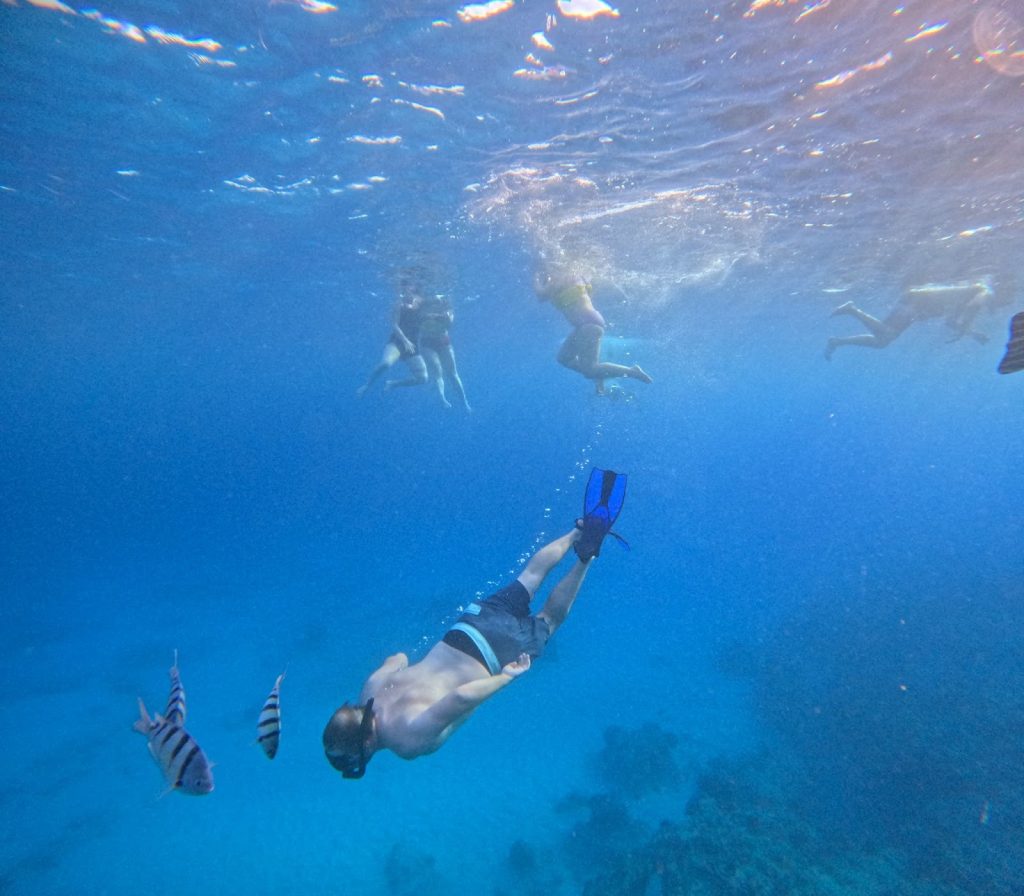
Best snorkeling in Oahu in winter trips depends on location, not luck. Winter brings large waves to the North Shore, but other coasts stay calm.
South and west shores usually remain snorkel-friendly. Visibility stays strong on many days.
Winter also brings seasonal wildlife. Humpback whales migrate near the islands. From shore or boat, you may see breaches offshore. Many visitors ask why whales breach during this season. Scientists believe it relates to communication, mating, or play. Whatever the reason, seeing it adds magic to winter trips.
Finding good winter snorkeling spots include:
- Choosing south shore beaches
- Avoid exposed north-facing reefs
- Check daily surf reports
Winter is not a deal breaker. It simply demands smarter planning.
Quiet Snorkeling Spots Locals Prefer
Not every great reef appears on social media. Some of the best places are low-key and personal.
Kuilima Cove at Ko Olina
This cove sits between resorts but feels calm and controlled. Breakwaters block waves and keep water clear.
Families love it, beginners trust it, and fishes show up in good numbers.
Makaha Beach
Makaha surprises many visitors. On calm days, reef life appears just beyond the break. The beach feels local and relaxed. Respect matters here. Watch conditions closely.
Should You Snorkel Alone or Take a Guided Tour?
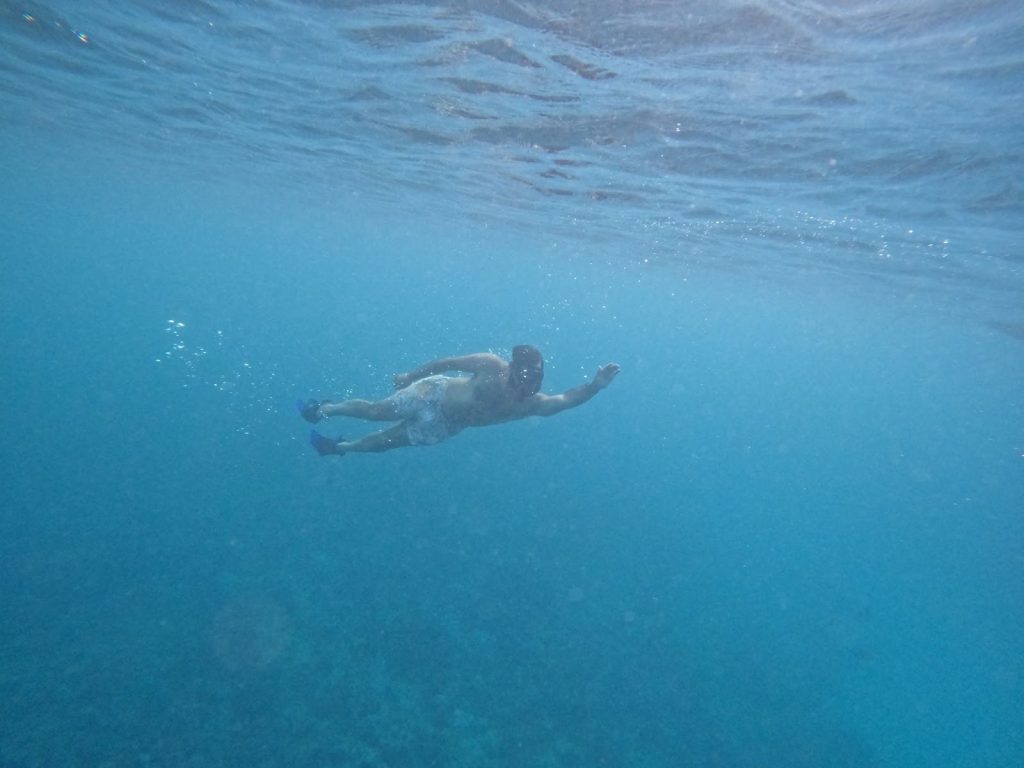
This is a real decision moment. Many travelers ask if tours are worth the cost. Snorkeling solo works at protected beaches with clear entry points. But offshore reefs tell a different story.
Guided tours add value when:
- Currents are strong
- Reefs sit farther from shore
- You want wildlife insight
Local operators know water behavior by season and hour. They spot turtles faster. They read wave shifts before trouble starts.
Private snorkeling tours offered by Hawaii Ocean Charters give access to offshore reefs most swimmers never reach from land. These trips focus on small groups, calm pacing, and safe viewing. The experience feels less rushed and more personal, especially for couples or families.
What You Actually See Underwater in Oahu?
People worry about hype versus reality. The truth sits in between. Common sightings include:
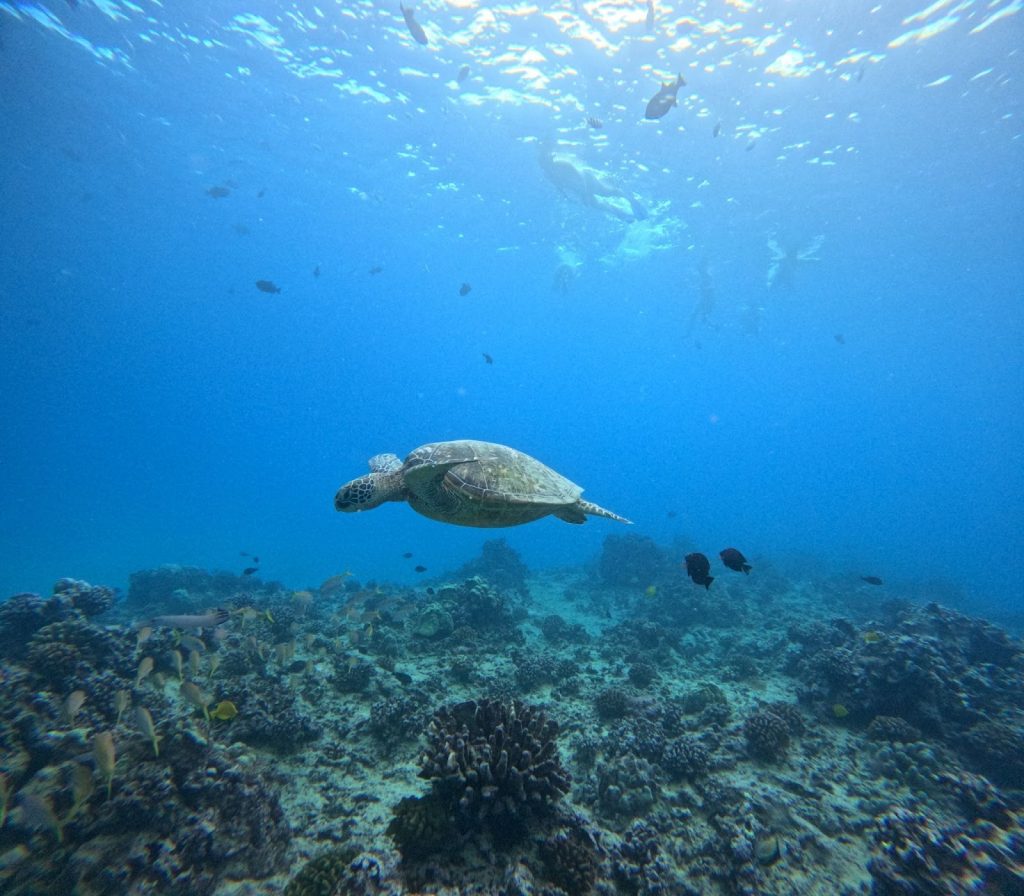
- Green sea turtles resting near reef ledges
- Yellow tang and butterflyfish schools
- Parrotfish crunching coral
Lucky days add dolphins passing offshore or rays gliding over sand patches. Visibility changes daily. Tide timing and wind matter more than season alone.
Safety Tips Every Visitor Must Follow
The ocean around Oahu is beautiful, but it demands respect. Many snorkeling issues happen not because of skill level, but because people move too fast or ignore changing conditions.
Ocean respect keeps snorkeling fun. Most problems people run into come from rushing or ignoring conditions.
Smart habits to take up include:
- Watching water for five minutes before entry
- Never turning your back on waves
- Exiting early if currents increase
If unsure, do not hesitate to ask the locals and/or lifeguards. People want you to be safe.
How to Plan One Perfect Snorkeling Day?
Consider snorkeling a gentle start and not a race across the sea. The ocean is calm early in the morning, and so shall you be. Wake up early, snack lightly, and hydrate before even putting on your gear.
An easy morning snorkeling will often become the highlight of a trip. A walk on the beach, a leisurely lunch, or a shaded afternoon nap will keep one intact throughout the day. Many travelers split their plans over days, combining shore snorkeling with boat tours instead of trying to fit it all into one trip. That rhythm keeps the fun alive rather than exhausting.
And if you really want to bring the idea of relaxation to another level, go with our private charters! You can take your time and unwind, away from crowded areas and short-lived calm waters. The further advantage of being able to go into deeper reef areas without a long swim adds quite a bit to an otherwise good ocean day!
Is Best Snorkeling Oahu Worth the Effort?
Most visitors answer yes after the first turtle sighting. The island rewards patience and respect. The water stays warm, and marine life remains active. Access feels easier than in many tropical destinations.
The real question is: Do you want to see reefs from shore only, or are you ready to explore beyond the break and let local experts guide the way?
Sometimes the best memories form when you stop guessing and let the ocean show you the way.
FAQs
Which part of Oahu boasts the greatest visibility for snorkeling?
Typically, the southern shoreline has an accessible, clear view of water; more often in the morning. However, visibility is consistent throughout the year.
Are reef shoes necessary when snorkeling in Oahu?
Reef shoes are used at slippery rocky entry points as well as for protection from sharp lava rock. They are strongly recommended for most beaches.
For how long would a snorkeling session last?
The majority of individuals have a fun time snorkeling for 30 to 60 minutes at a time.
What is the right thing to do in case of sudden changes in ocean conditions?
One must exit the water calmly and early. A shifting current or a sudden rise of waves is an indication to stop and reassess before entering again.
