
The alarm goes off at 6 a.m. for the third day in a row.
The rental car is already hot. Traffic on the H1 is a parking lot. You just spent forty-five minutes crawling from Waikiki to Ko Olina just to sit in another line for shaved ice. Sound familiar? That’s the classic Hawaii vacation trap: treating the islands like a mainland road trip when they were never built for it.
Here’s the secret the repeat visitors figured out years ago: the real Hawaii isn’t waiting at the end of a two-hour drive. It’s floating twenty feet off the coastline, where the water stays seventy-eight degrees, the trade winds cancel every worry, and the only traffic is a pod of dolphins cutting across the bow.
This is exactly how to plan a trip to Hawaii that keeps the ocean as the main character and the rental car as a bit player.
Why Oahu Dominates the Sunset Cruise Scene
Let’s chat about Oahu real quick. Sure, Maui’s seen as the dreamy getaway, meanwhile, the Big Island shows off lava action – but Oahu? It delivers one thing no other island pulls off week after week: explosions above the sea.
Come Friday evenings, the Hilton Hawaiian Village sets off bursts that paint the sky near Waikīkī Beach and the dark water below. Folks here have grown so used to it, they time dinners, walks, even babysitters around this glowing ritual. You may also book a private experience on both via our exclusive tour options.
This isn’t just a flash-in-the-pan moment lasting a few minutes. Since it goes on awhile, you’ll catch golden light fading into night – especially if you’re out on a boat at dusk. Fireworks explode overhead while daylight slips away. One thing leads to another – the whole scene feels dreamlike, like earth and humans are putting on a shared act.
When folks wonder where to head in Hawaii for these particular vibes, Oahu takes the lead – mostly thanks to solid setup and steady quality. No need to wait for a rare festival or big celebration. Forget praying for flawless weather, either. The sparklers still light up. Sunset rolls around, yeah, believe it or not. As for the sea? Hey, we’re talking Hawaii here; the water’s always busy being itself.
Step 1: Pick the Right Home Base (or Two Max)
Four islands in ten days sounds sexy on Instagram. In reality, it means four flights, four rental cars, four check-ins, and roughly twenty hours wasted in airports or on the only two-lane road that circles each island.
Smart water-lovers pick one island, maybe two if the trip is twelve-plus days and choose a location that puts the ocean within walking distance or a five-minute Uber. On Oahu, that’s Ko Olina on the west side or Kailua on the windward side. On Maui, it’s the west coast from Kaanapali down to Wailea. Big Island: the Kohala Coast. Kauai: Poipu or Hanalei Bay area.
Choose to stay within fifteen minutes of a good marina or beach entry point, and suddenly every morning starts with salt water instead of stop-and-go traffic.
Step 2: Build the Trip Around Boat Days, Not Driving Days
Traditional itineraries look like this:
Day 1 Road to Hana
Day 2 North Shore
Day 3 Volcanoes National Park
Day 4 Pearl Harbor
That’s four full days in a car.
Flip the script:
Day 1 Morning snorkel cruise, afternoon beach nap
Day 2 Sunset sail with fireworks
Day 3 Afternoon catamaran to Napali Coast
Day 4 Whale-watch or dolphin sail
Same number of days, triple the time actually feeling Hawaii instead of just looking at it through a windshield.
Step 3: Choose Islands That Reward Boat Access Over Car Access
Some islands were made for boats more than others.
Oahu’s west side wins hard here. Four world-class lagoons, calm water year-round, and multiple marinas within a ten-minute radius. Snorkel cruises, sunset sails, and seasonal whale watches all leave from the same area. Drive time to the boat? Under fifteen minutes, even in rush hour.
Maui’s west coast is the runner-up. Morning snorkel trips to Molokini or Lanai leave from Maalaea or Lahaina, then the same boat often flips to a sunset or dinner cruise without moving the car.
Big Island’s Kohala Coast keeps everything within a twenty-minute stretch of resorts and small boat harbors. Morning manta-rays, night snorkeling, afternoon dolphin sail, evening cruise under the cliffs; all different experiences, same parking spot.
Kauai’s Napali Coast is literally unreachable by car. The only legal way to see those 4,000-foot cliffs and hidden sea caves is by boat or a brutal seventeen-mile hike. Choose the boat.
Step 4: Book Water Activities First, Land Activities Second
This is the single biggest mistake people make when they’re learning how to plan a trip to Hawaii, the water-first way.
Airlines release seats about eleven months out, but boats release prime sunset and snorkel slots four to six months out. So once flights are secured, lock in the ocean activities right away, then layer hotels and land excursions around those dates. Trying to do it backwards means settling for 7 a.m. snorkel trips or missing the Friday night fireworks sail altogether.
Step 5: Rent the Car for Only the Days It’s Actually Needed
Full-time rental cars are a necessity for most visitors. Skip that.
On Oahu, Ko Olina has everything within walking distance or a cheap Uber. Same with parts of Waikiki if staying near the yacht harbor. Use Turo or traditional rental companies for one or two specific days (maybe the Polynesian Cultural Center or a volcano flight on the Big Island) and save hundreds while avoiding the stress of parking.
Step 6: Layer the Water Experiences So Every Day Feels Fresh
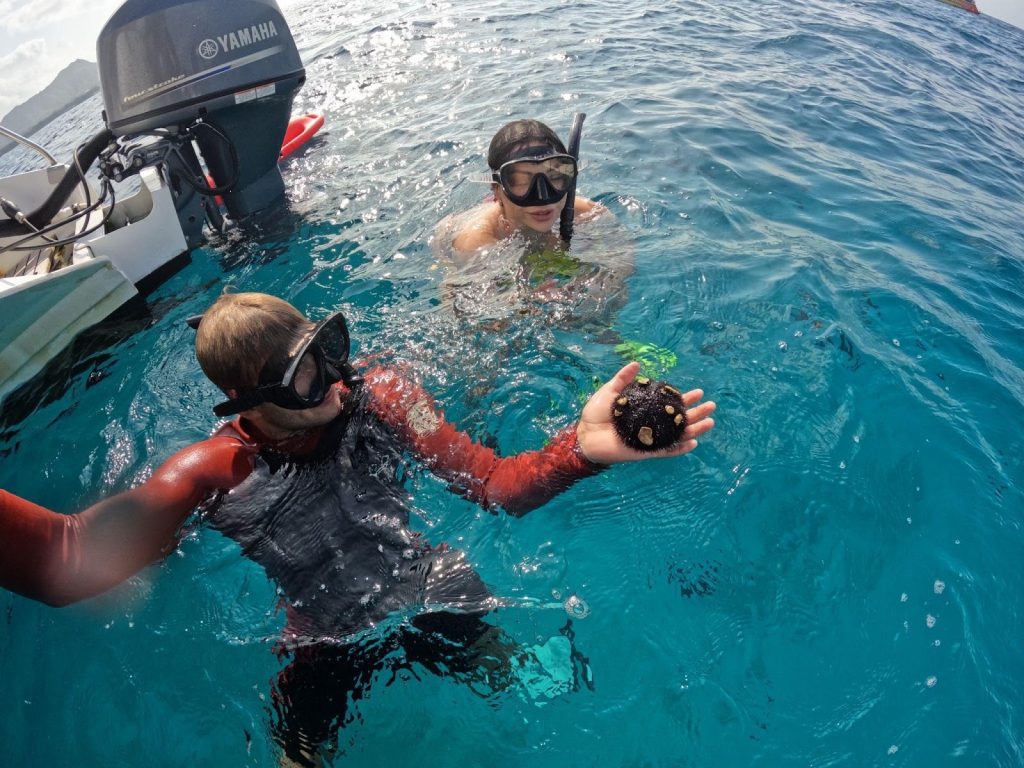
Smart planning stacks different types of ocean time instead of repeating the same thing.
Morning: snorkel or scuba boat (calmest water, best visibility)
Midday: beach or pool time with zero driving
Late afternoon: catamaran sail (golden hour light, dolphins active)
Evening: sunset or dinner cruise (fireworks on Fridays, live music, completely different vibe)
That single formula delivers four distinct ocean memories in one day without ever starting the car.
Step 7: Pick the Right Boat for the Right Job
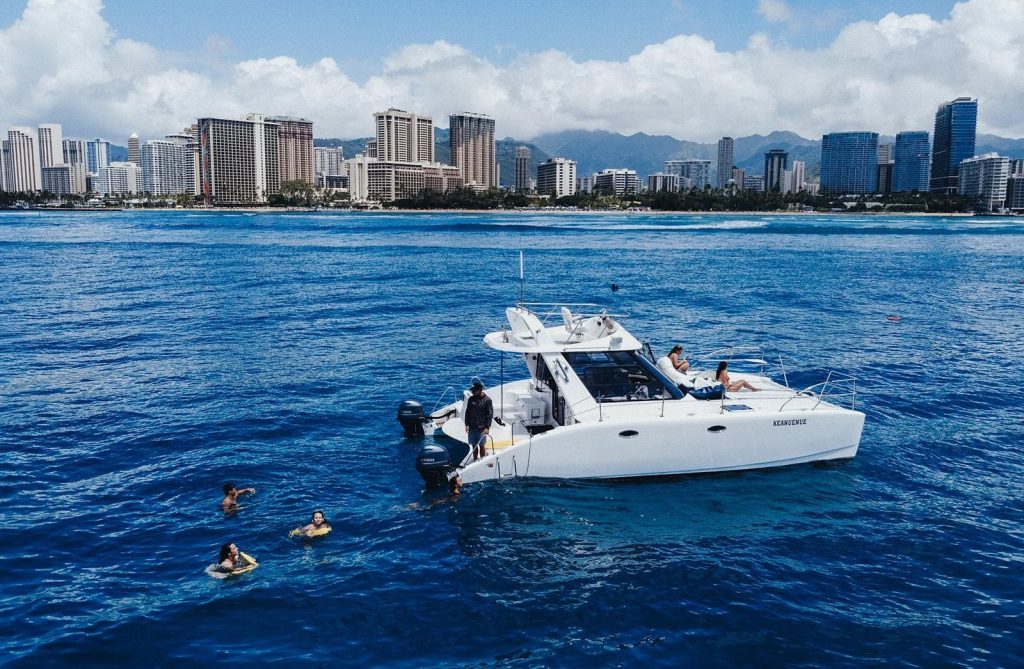
Not all boats are created equal.
Big party catamarans (100–150 passengers) are loud, social, and perfect for groups who want to dance.
Smaller premium cats (25–49 passengers) feel intimate, serve better food and drinks, and stop for swimming whenever someone spots turtles.
Rigid-hull Zodiacs or rafts get into sea caves, and under waterfalls no big boat can reach.
Luxury yachts or sailing catamarans with actual sails up deliver romance and silence.
Match the boat to the mood of the day instead of defaulting to the cheapest ticket.
Step 8: Pack Like the Ocean Is Home Base
Water-first travelers pack differently.
Two rash guards, two board shorts, and one reef-safe sunscreen bottle that lives in the day bag.
Waterproof phone pouch on a lanyard.
Light packable towel.
One nice outfit for dinner cruises.
Everything else is secondary.
Luggage stays half empty because the uniform is basically a swimsuit plus cover-up all week.
Step 9: Use Island Hopping Flights That Land Near the Water
When island-hopping is a must, choose flights that minimize ground time.
On Maui, flying into Kahului (OGG) and staying in Kaanapali or Wailea adds forty-five minutes of driving each way.
Flying into tiny Kapalua Airport (JHM) on the west side drops passengers fifteen minutes from the best snorkel boats and sunset sails.
The same trick works on Big Island Kona (KOA) over Hilo if staying on the Kohala Coast.
Step 10: Protect the Time That Matters Most
The golden rule of water-first Hawaii: never schedule anything that can’t be moved the morning after a night sail. Late returns, big meals, strong mai tais, and pure relaxation mean the next day starts slow. Build that in from the beginning, and the whole trip feels like a vacation instead of another grind.
The Payoff
Follow this blueprint and something magical happens.
The camera roll fills with dolphins leaping at sunset, underwater turtle selfies, and fireworks reflecting on black water; instead of endless photos of the inside of a rental car.
Tan lines appear in rash-guard patterns instead of seatbelt stripes.
The body clock resets to island time within forty-eight hours because every day starts and ends on the water.
That’s not just a vacation.
That’s the difference between saying “been to Hawaii” and actually feeling the islands in the bones.
So when someone asks how to plan a trip to Hawaii that’s more ocean than asphalt, the answer is simple: stop treating the islands like a road trip and start treating them like the largest, most beautiful waterfront backyard on the planet.
The water’s been waiting.
Ready to Spend More Time on the Water With Us
If your goal is to plan a Hawaii trip that’s actually centered around the ocean, Hawaii Ocean Charters is here to make that easy. We keep things simple, personal, and focused on giving you the kind of time on the water that most visitors never get. Our boats are comfortable, our crew knows these waters better than anyone, and we plan every charter around what you want, not a preset schedule.
If you’re looking for a trip where you can skip the long drives and spend your days out on the ocean, we’d love to help you make that happen. Reach out to us, and we’ll get you set up for the kind of Hawaii experience you’ll remember long after the trip is over.
